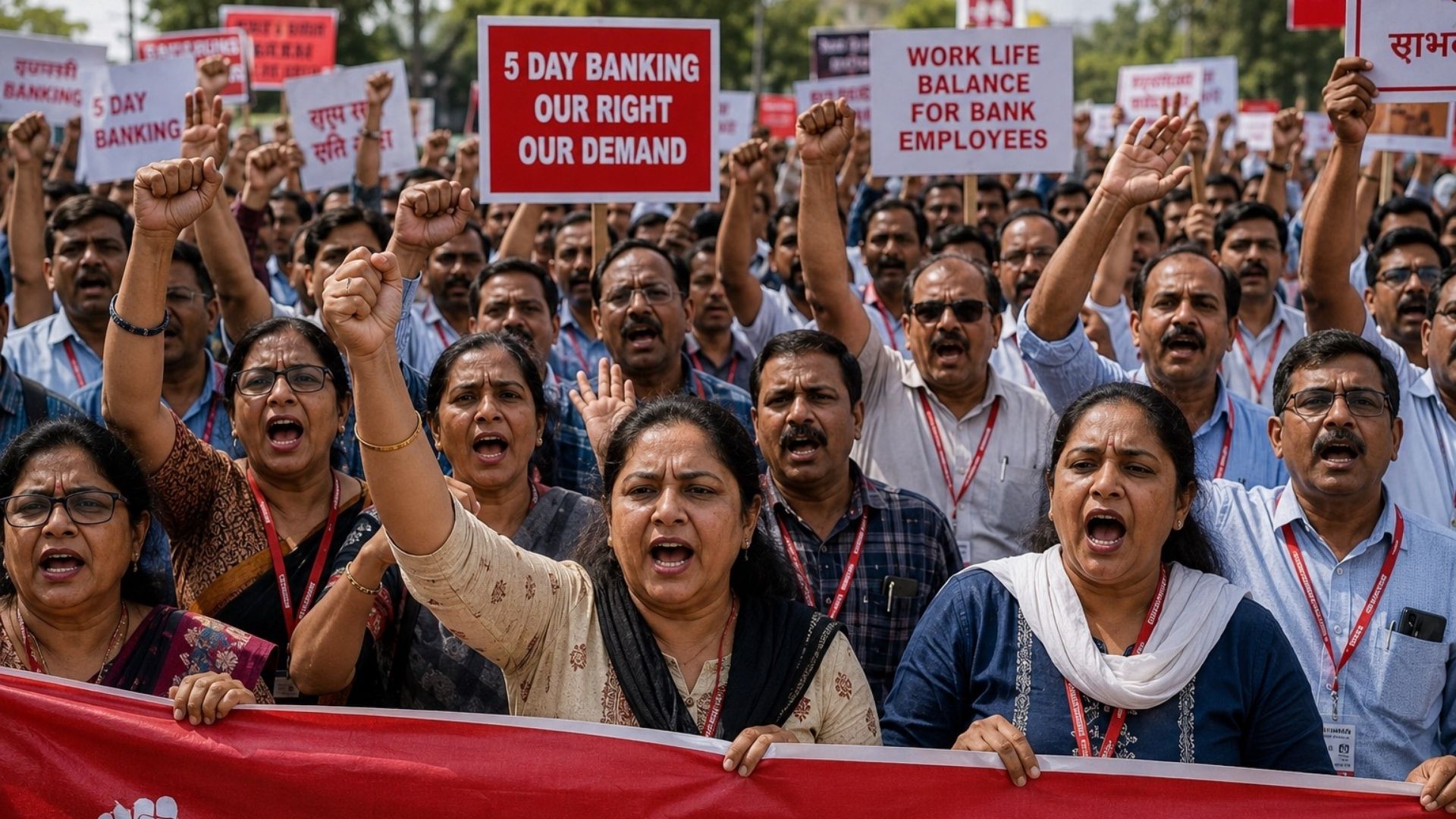
Image: AI-generated representative image
The demand for five-day banking and work-life balance started when banks were understaffed due to long years of silent ban on recruitment, which was revoked after the All India Bank Officers Confederation gave a strike call. After 1993, the recommendations of the Narasimhan Committee led to reduction in cost by reducing recruitment and giving an attractive Voluntary Retirement Scheme. In 2002, the Banking Service Recruitment Board was abolished and Banks were allowed to recruit bank-wise. Even then, recruitments did not take place. In 2008, All India SBI Officers Federation and All India SBI Staff Federation launched an agitation demanding recruitment. In 2009, 3500 Probationary Officers and more clerical staff were recruited after a long gap.
In the 9th Bipartite Settlement of 2009, the Unions and Associations insisted on further recruitment in all Banks, which was conceded. From 2011, Institute of Banking Personnel Selection started standardised recruitment for all Banks.
The long curtailment of recruitment, VRS and the new recruits from families which followed small family norms led to a demand for more work-life balance. This was due to late sitting, holiday working and non-sanction of leave, which created serious stress in the family.
In the meantime, many State Governments had switched over to five-day week, which was implemented in Central Govt on June 3, 1985 itself. Many other Public Sector undertakings had also switched over to five-day week. Even the private sector, especially the Information Technology sector, had introduced a 5-day work week.
Across the World, five-day week had come into existence in Government as well as private sector.
The International financial institutions had five-day week. RBI also followed the same.
The technology upgradation, ATM, Online Banking and digitisation support the five-day week.
Hence, in the Charter of Demands submitted for the 10th Bipartite Settlement, which was effective from 1.11.2012, the demand for five-day week became a crucial demand. Many Economic newspapers carried articles on the benefits of five-day week.
Every Member of Parliament was approached and questions were raised in the Parliament. Successful strikes were held in the Banking Industry.
Finally, on 25th May 2015, the final round of discussions was held between the United Forum of Bank Unions and the Indian Banks Association. Though the Finance Ministry does not sign the settlement, it is a party and the agreements are always approved by the Finance Ministry.
Mrs. Arundhati Bhattacharya, Chairman SBI, and Mrs. Vijaya Lakshmi Aiyar, MD, BOI, attended the negotiation meeting, though they were not the members of the IBA negotiation Committee.
With 15% salary increase, they wanted to close the settlement. AIBOC took a tough stand that they will not sign the settlement without 5-day week. Mrs. Arundhati Bhattacharya called the then Finance Minister, Mr. Arun Jaitley, and he finally offered 2 Saturday offs. Mrs. Bhattacharya orally assured that if 2 Saturdays off works well, it will be extended to five-day week.
We believed. Eleven years have passed. Two more Bipartites have been completed.
The 12th Bipartite settlement was signed on 08.03.2024, in which it was agreed that 5-day week will be implemented and, to compensate for that, the employees will work for 40 minutes more on working days.
More than two years have passed. Strikes have taken place, but an Agreed Industry-level Bipartite settlement has not been implemented. Managements are not opposing, but some industrialists who never visit Bank Branches oppose implementation of 5-day week without any rationale. The Finance Ministry says they have recommended to the Prime Minister’s Office.
Prime Minister does not care for the Banking Industry, which is the backbone of the Economy. Should the Associations and Unions approach Adani or Ambani? (Watch Kunal Kamra’s satire where he asks, “Why, Modiji, are you standing in between me and Ambani?”)
They will not. Hence, one-day strike on September 11, 3-day strike on 28, 29 & 30 September and indefinite strike from October 26 has been announced by United Forum of Bank Unions.
The BJP-supporting National Organisation of Bank Workers (NOBW) and National Organisation of Bank Officers (NOBO), with minuscule membership among the Bank workers and officers, are out of the United Forum and they will suffer by losing further membership.
The strike will be total. Will the Prime Minister wake up and allow the implementation of the agreement? If not, this will be the beginning of an end.
Thomas Franco is the former General Secretary of the All India Bank Officers’ Confederation and a Steering Committee Member at the Global Labour University.
Centre for Financial Accountability is now on Telegram and WhatsApp. Click here to join our Telegram channel and click here to join our WhatsApp channeland stay tuned to the latest updates and insights on the economy and finance.