
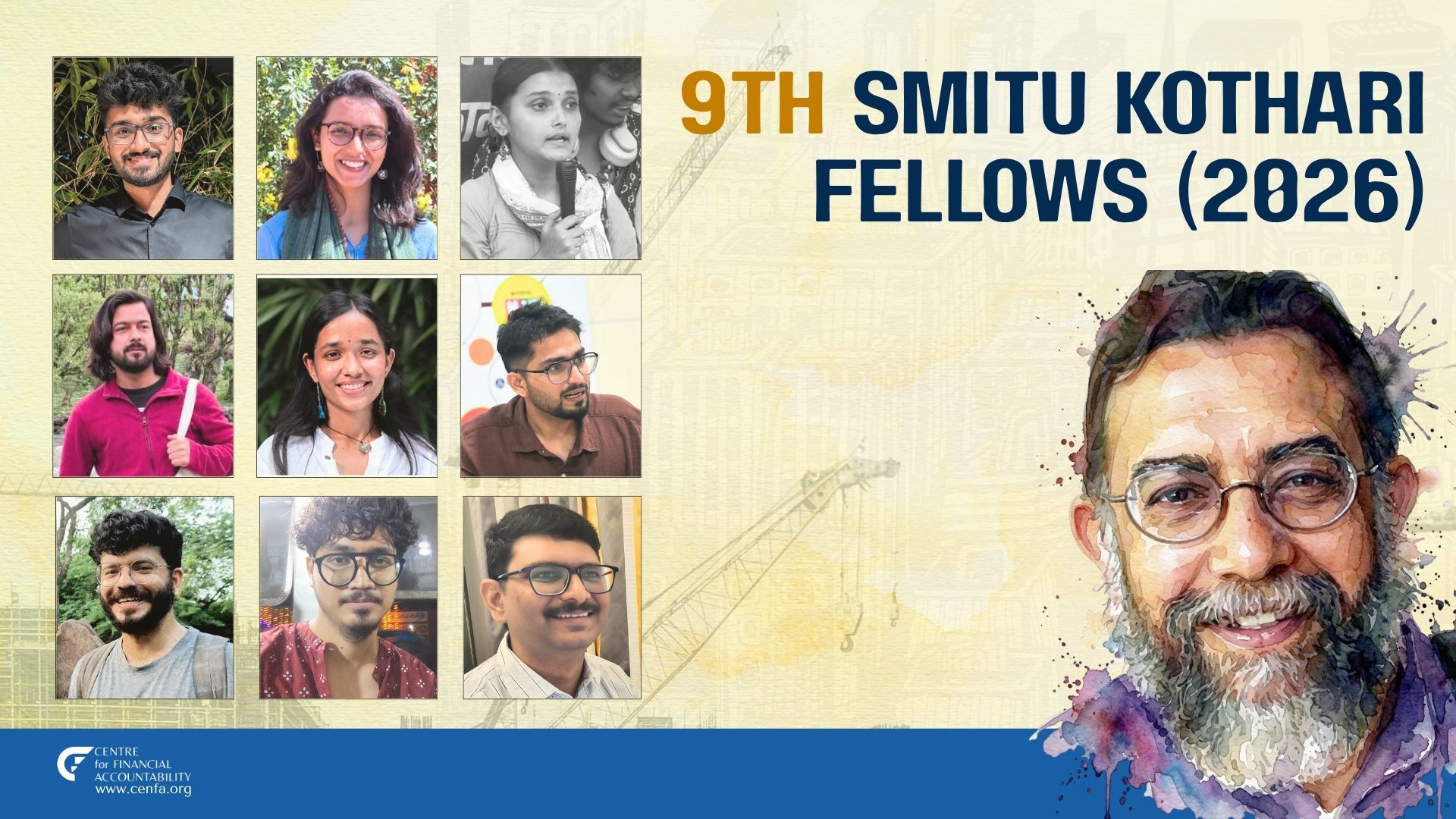
The Centre for Financial Accountability (CFA) is delighted to announce the fellows selected for the 9th Smitu Kothari Fellowship for Young Writers and Storytellers.
This year, the fellowship brings together 9 young writers, researchers and visual storytellers from across India to explore the theme “Cities, Finance & the People.” Their work will examine the financial forces shaping India’s rapidly changing cities and ask who benefits from urban development, who bears its costs, and whose voices are left out of the process.
The two-month fellowship will support fellows in developing well-researched investigative articles, photo essays, short documentaries and other forms of multimedia storytelling. Their projects explore diverse questions around urban finance and budgets, housing and displacement, informal livelihoods, urban commons, climate vulnerability, digitalisation, infrastructure failures and the right to the city.
The fellowship builds on CFA’s commitment to supporting young writers and researchers who critically examine how finance affects people, communities and the environment. Inspired by the legacy of environmentalist and scholar-activist Smitu Kothari, the fellowship encourages participants to look beyond conventional narratives of development and investigate the financial and political forces shaping everyday life.
Meet the 2026 Smitu Kothari Fellows
Akhil Surya
 Akhil Surya works with the Social Accountability Forum for Action and Research (SAFAR) on public grievance redress in Telangana, social audits, proactive disclosure of public information, and rights of platform workers and domestic workers. Currently pursuing a Post Graduate Diploma in Environmental Studies, his work centers on social accountability, labor rights, urban governance, and social-environmental justice. Akhil’s writings have appeared in The Leaflet, Newsclick, and Andhrajyothi. He actively volunteers with people’s campaigns and grassroots collectives, including the National Alliance of People’s Movements and the Musi Jan Andolan.
A Constitutional Law Gold Medalist from NALSAR University of Law, Akhil will utilise his Smitu Kothari Fellowship to investigate the ecological contradictions and human costs of the Musi Riverfront Development Project in Hyderabad. Through a blend of document analysis and qualitative field research, he will explore the implications of financialization of an urban commons through international debt on the river’s ecology and riparian families.
Ankita Dhar Karmakar
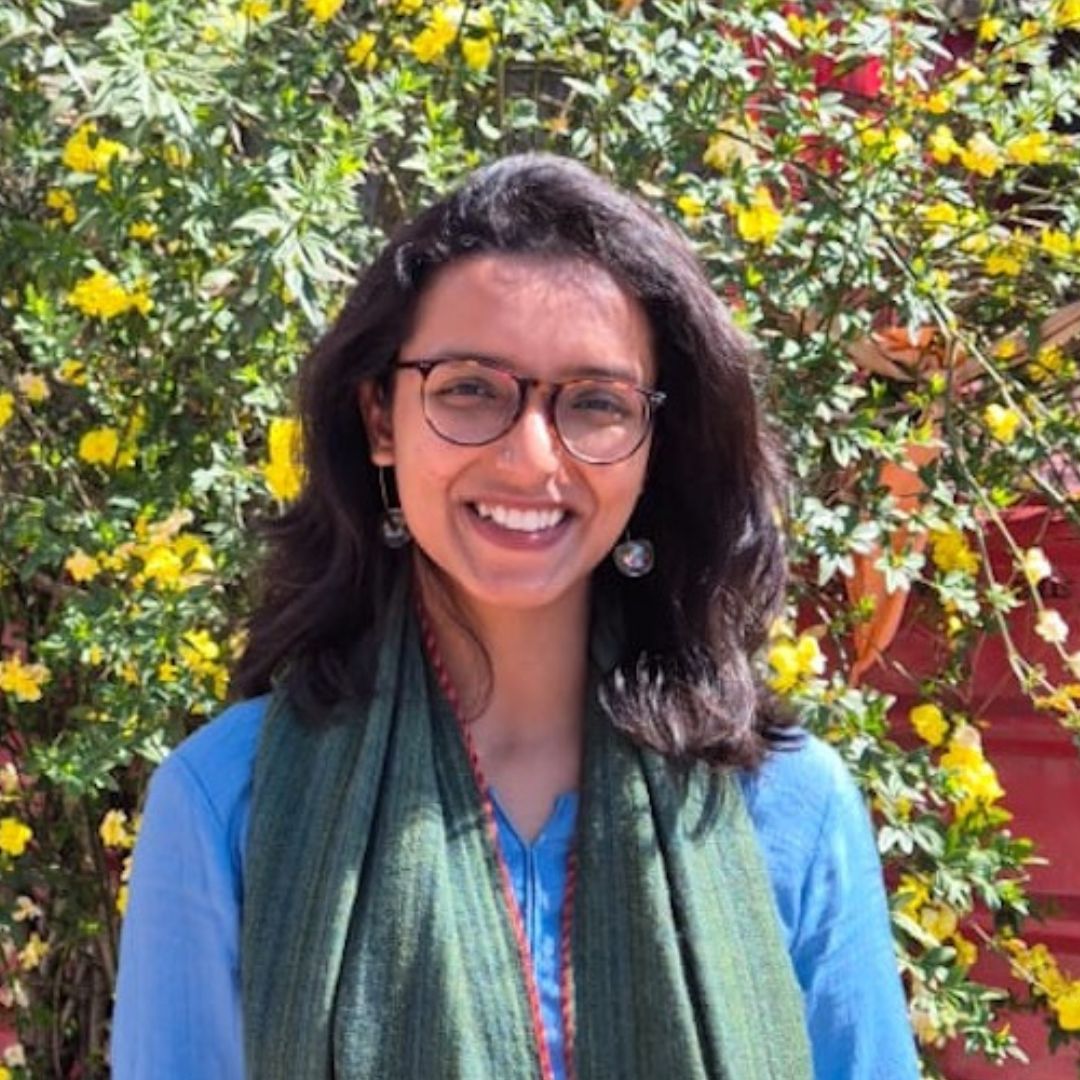 Ankita Dhar Karmakar is a journalist with Question of Cities. She has reported and written at the intersection of gender, cities, and human rights, among other themes. Her work has been featured in several digital publications, national and international. She is the recipient of the 4th South Asia Laadli Media & Advertising Award For Gender Sensitivity and the 14th Laadli Media & Advertising Award For Gender Sensitivity.
As part of the Smitu Kothari Fellowship 2026, Ankita will co-write a piece with Sidharth Singh examining the growing intersection of microfinance, debt and the gig economy, focusing on how app-based ride-sharing in Delhi is driving working-class drivers towards car loans and indebtedness. Through ground reporting and research, the story will explore the impact of loan repayments on drivers’ livelihoods and the wider implications of this debt-driven model for urban mobility, labour and air pollution.
Bhumi
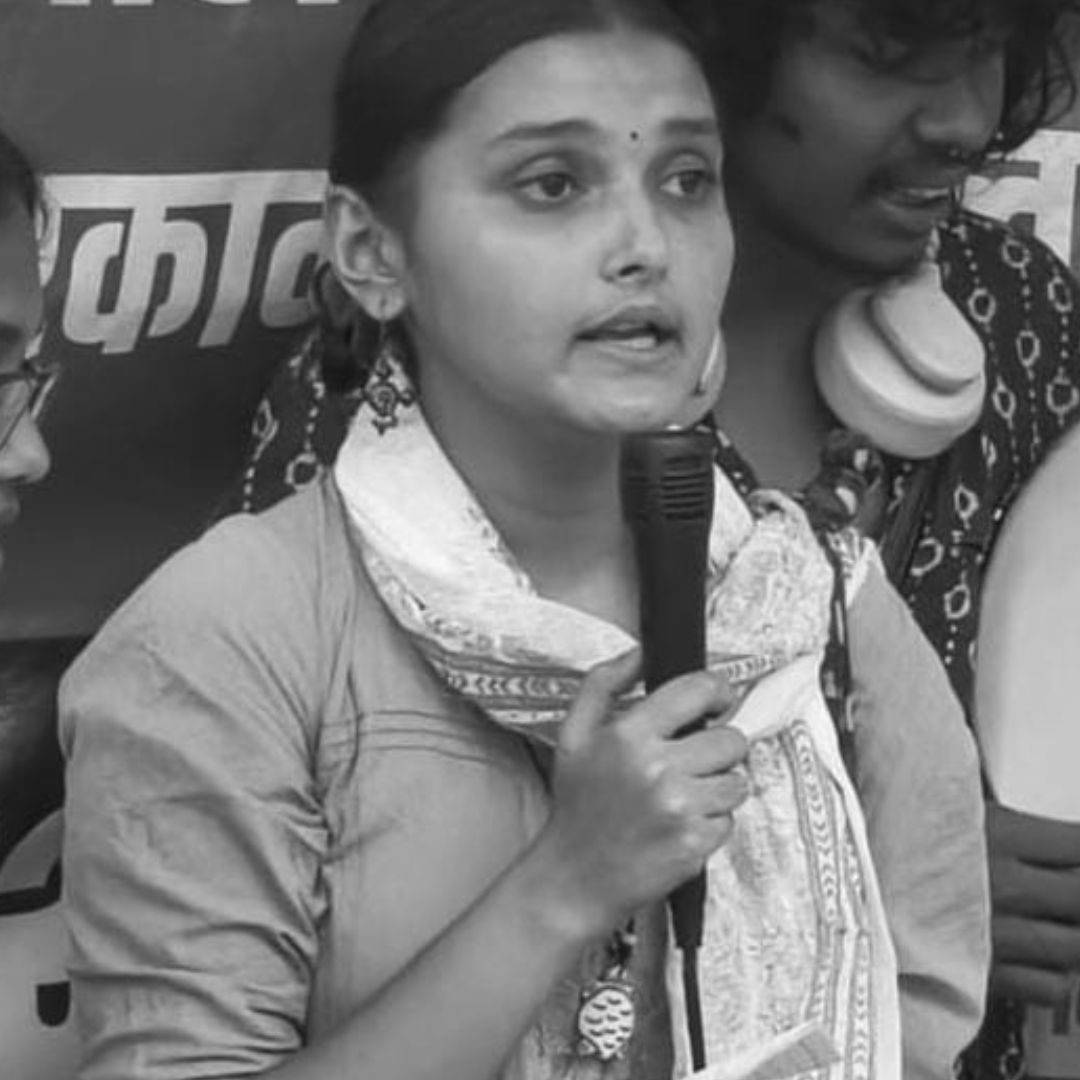 Bhumi is a student, researcher, and activist based in Delhi. Over the past two years, alongside pursuing a Bachelor’s degree in Social Sciences and Humanities, they actively engage in collective movement spaces, including the National Alliance of People’s Movements (NAPM). Their work operates at the intersection of gender, social justice, ecology, and labor with the conviction to drive meaningful social transformation through sustained rigor and frontline solidarity. Through participatory research, cultural action, and grassroots organizing, they remain committed to building long-term community power and challenging systemic inequality from the ground up.
As part of the Smitu Kothari Fellowship 2026, Bhumi will investigate the human and economic costs of the urban climate crisis, documenting how extreme weather disproportionately affects informal workers and low-income communities. Through stories of street vendors, slum dwellers, delivery riders, waste pickers and domestic workers, the project will examine lost incomes, health impacts and the absence of social and financial safety nets.
Ilhak Ahmad Tantray
 Ilhak Tantray is an independent journalist who has worked with national and international media platforms. His reporting focuses on climate and environment, social and political issues, and human rights across Kashmir and beyond. He documents how climate change reshapes farming, livelihoods, and traditional crafts. His work centres community voices through in-person reporting, oral histories, and data-driven policy analysis.
As part of the Smitu Kothari Fellowship 2026, Ilhak will investigate how climate and disaster finance reaches, and often fails to reach, Srinagar’s informal workers, including boatmen, street vendors, daily-wage labourers and small shopkeepers. Through ground reporting, budget analysis and RTI responses, his story will examine how disaster spending prioritises infrastructure over livelihood recovery and make a case for more direct and equitable forms of climate finance and social protection.
Nandana Hareesh
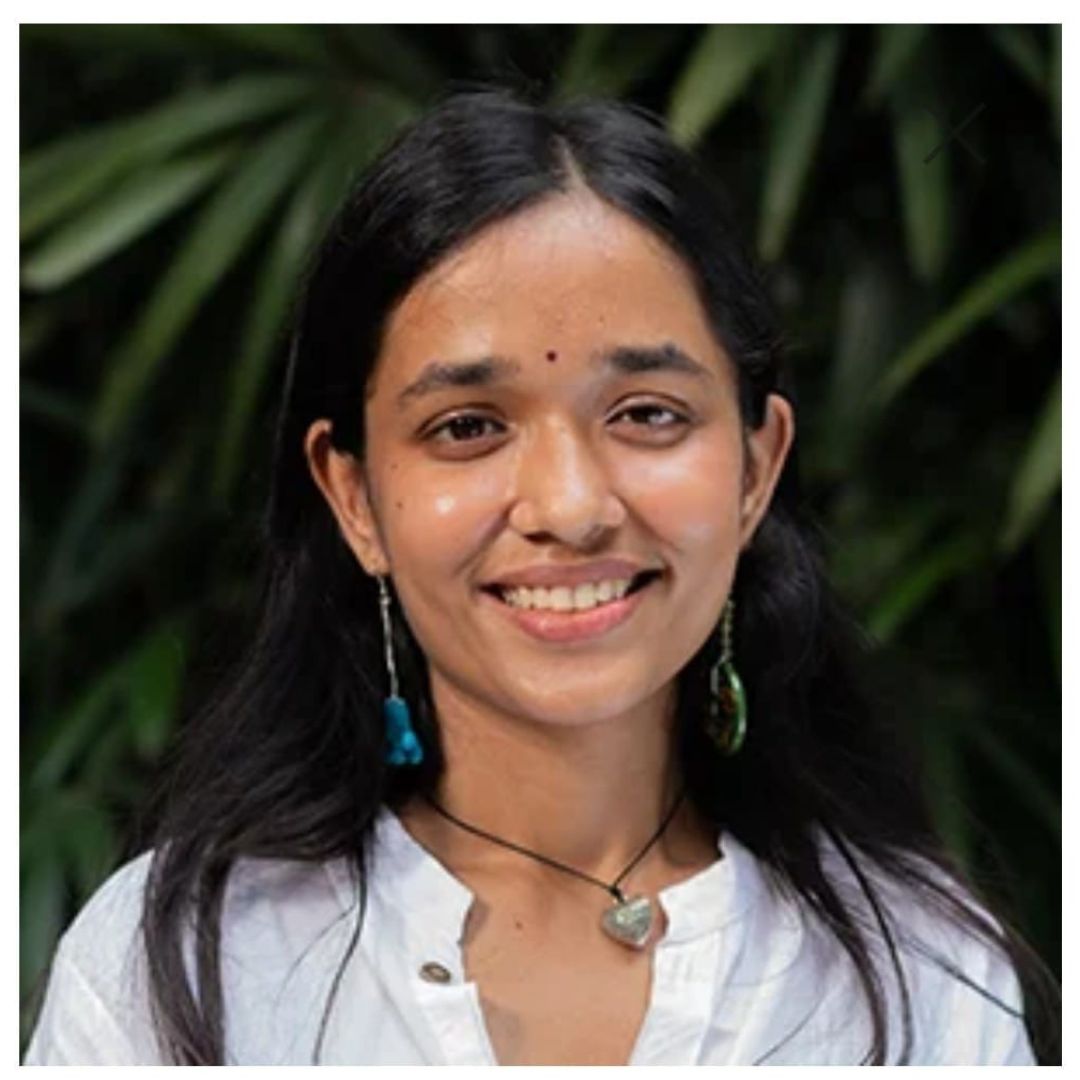 Nandana Hareesh is a researcher and a photographer interested in understanding cities through the lenses of caste, identity and belonging. She is a graduate of the Tata Institute of Social Sciences (TISS) and is currently working as a researcher with the People’s Commission and Public Inquiry Committee while pursuing a Postgraduate Diploma in Photography and Visual Communication at Jamia Millia Islamia. Her research has primarily focused on gender and labour rights, including year-long projects with fisherwomen in Kerala and migrant women garment workers in Bengaluru. She is also a former Urban Fellow at the Indian Institute for Human Settlements (IIHS), where her work centred on questions of housing, infrastructure and urban inequality.
As a Smithu Kothari Fellow she will be looking into the invisible water economy in Jamia Nagar, examining how, when public infrastructure fails to provide something as basic as water, the city creates its own markets around access. The story foregrounds the water workers whose labour keeps this essential service running, while examining the financial and physical risks they bear.
Nikhil Sanjay-Rekha Adsule
 Nikhil is a public policy consultant, economist, and constitutional law expert working at the crucial intersection of legal jurisprudence, fiscal policy, and socio-economic justice. An alumnus of premier institutions, including IIT Delhi, TISS, and NLSIU Bangalore, he currently serves as a Senior Scholar at IIT Delhi. His work centres on democratising constitutional morality, analysing financial federalism, and dismantling systemic inequalities. As a prominent public intellectual and national columnist, he regularly features sharp commentary on legal and economic affairs across top-tier national platforms and leading Marathi dailies. Recognised globally for his contributions, he is a John Dewey Emerging Scholar and a Creighton Peden Scholar in the United States.
As part of the Smitu Kothari Fellowship 2026, Nikhil will investigate the erosion of local democratic governance in Mumbai by examining how urban infrastructure funds are increasingly routed through state-controlled agencies and special-purpose vehicles, bypassing the elected municipal body. His work will explore the implications of this financial centralisation for the 74th Constitutional Amendment, public accountability and spatial justice, particularly for informal workers and other marginalised urban communities.
Sidharth Singh
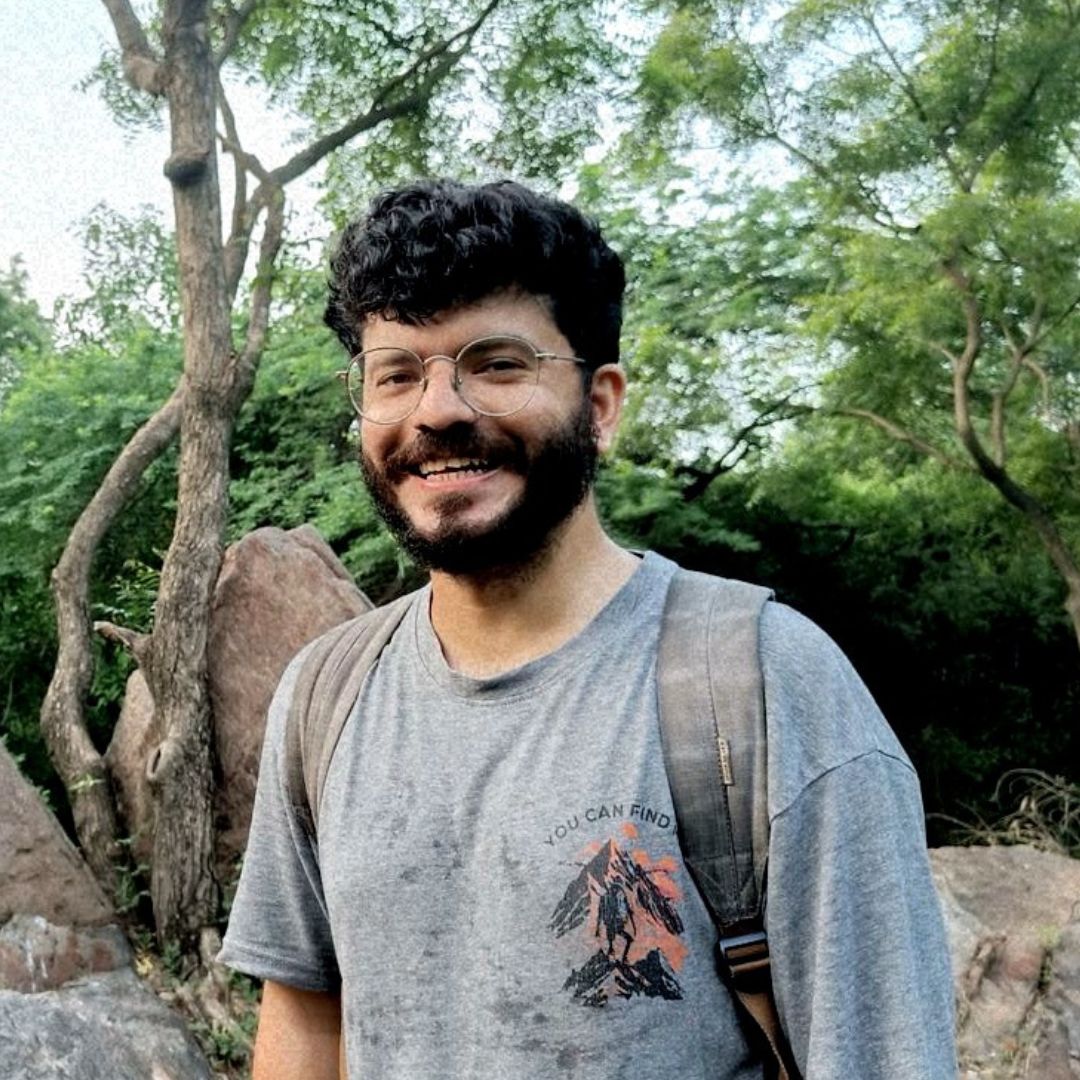 Sidharth Singh is an instructor at Ashoka University, Sonipat. For the Smitu Kothari Fellowship, he will be studying the interface of NBFCs with the gig economy in Delhi. He will attempt to understand how the ride-sharing sector gains financially only by forcing workers into high interest car loans.
As part of the Smitu Kothari Fellowship 2026, Sidharth will co-write a piece with Ankita Dhar Karmakar examining the growing intersection of microfinance, debt and the gig economy, focusing on how app-based ride-sharing in Delhi is driving working-class drivers towards car loans and indebtedness. Through ground reporting and research, the story will explore the impact of loan repayments on drivers’ livelihoods and the wider implications of this debt-driven model for urban mobility, labour and air pollution.
Shubham Patil
 Shubham Patil is a filmmaker and sound designer currently pursuing a Post Graduate Diploma in Cinema at Satyajit Ray Film and Television Institute (SRFTI), Kolkata, specialising in Sound Recording & Design. He holds a Master’s in Social Work and has experience working on films, documentaries, and social and environmental issues. His work explores marginalised communities, social realities, and the intersection of people, cities, and ecology.
As part of the Smitu Kothari Fellowship 2026, Shubham will make a documentary exploring the East Kolkata Wetlands as a form of ecological and urban infrastructure, and the often-unrecognised labour of the communities that sustain it. The film will examine the hidden financial relationship between Kolkata’s wastewater systems, wetlands and livelihoods, while questioning who pays for and benefits from these essential ecological services.
Vinod Shende
 Vinod Shende is a postgraduate in Social Work from Savitribai Phule Pune University and is currently pursuing a Ph.D. in Social Work at the Tata Institute of Social Sciences (TISS), Mumbai. He is a public development practitioner, health researcher and public-interest writer with over 16 years of experience working at the intersection of communities, health systems and public policy in Maharashtra. His work focuses on public health, nutrition, community participation, patients’ rights and accountable health governance. He combines grassroots engagement, action research and advocacy to strengthen public health systems and promote more equitable and responsive healthcare.
As part of the Smitu Kothari Fellowship 2026, Vinod will investigate the hidden financial burden of healthcare on urban informal workers in Pune and Solapur, examining how gaps in public healthcare push vulnerable workers and their families towards costly private care. Through field reporting and data analysis, his work will explore the relationship between out-of-pocket expenditure, indebtedness, lost livelihoods and unequal access to quality public healthcare.
Our Mentors:
Rakesh Dewan, senior journalist and Editor of Sarvodaya Press Service, will serve as the overall mentor for the fellows. He has previously worked in senior positions with Dainik Bhaskar, Tehelka and other publications.
The fellows will also receive guidance from sector-specific mentors, bringing thematic expertise and deeper support to their individual projects.
About the Smitu Kothari Fellowship
The Smitu Kothari Fellowship was instituted in memory of Smitu Kothari, a distinguished environmentalist and scholar-activist who worked on ecological, cultural and human rights issues and was deeply engaged with questions of development, displacement, finance and social movements.
Since its inception, the fellowship has supported young writers and researchers in bringing critical perspectives on finance, development and people’s lives into the public domain.
We look forward to following the fellows’ work over the coming months and sharing their stories and research with wider audiences.
The works of Smitu Kothari Fellows 2025 can be read here.
Centre for Financial Accountability is now on Telegram. Click here to join our Telegram channel and stay tuned to the latest updates and insights on the economy and finance.
