

Why a waste-to-energy plant is not the answer to Chennai’s garbage problems
Chennai generates about 6,000 metric tonnes of garbage every day. As the city’s population continues to grow, waste generation is expected to increase even more.
Chennai generates about 6,000 metric tonnes of garbage every day. As the city’s population continues to grow, waste generation is expected to increase even more.

“Destructors”, “incinerators” and “waste-to-energy (WTE) incineration” all mean the same thing - indiscriminate burning of garbage! Having a history of about one and half centuries, WTE incinerators have seen several reboots over the 19th,...

Burning garbage is choking Delhi’s health, environment, livelihoods and finances. It is high time that the AAP government starts addressing the problem of waste, not when it is thrown away, but when it is...

The Print "Ground Report" titled "What is MCD roadmap to 'completely flatten' Delhi's three landfills within a year?" by Sukriti Vats highlights the critical issue of Delhi's massive landfills and the pollution they cause....
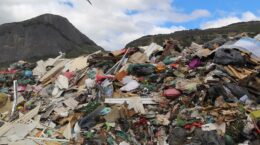
About a decade ago, in 2013, the Planning Commission constituted the “Task Force on Waste-to-Energy” to identify technically feasible, financially affordable and environmentally sound processing and disposal technologies for municipal solid waste in India....
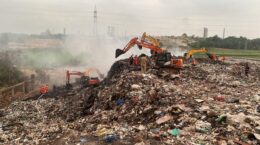
“Operation successful but the patient died” is perhaps the best phrase to describe the handling of the Brahmapuram fire which ravaged the city of Kochi. Spread over 110 acres of land, the Brahmapuram dumpyard...

Waste to energy plants (WTEs) use waste as a fuel for generating power like other power stations use coal, oil or natural gas.
