
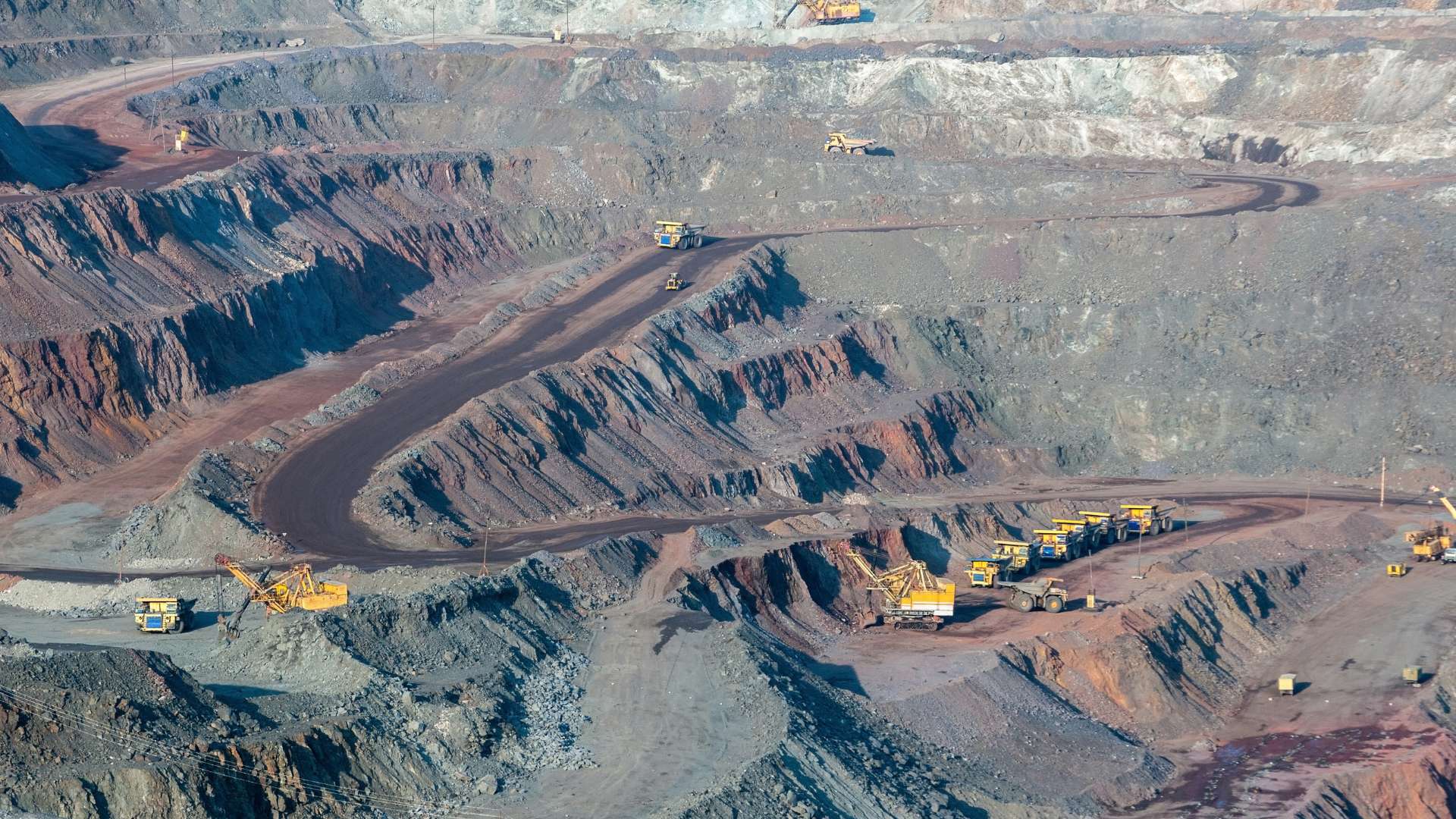
 The Ministry of Mines, vide public notice no. M.VI-1/7/2025-Mines VI dated 01st January 2026, invited comments and suggestions from concerned stakeholders on the draft Mines and Minerals (Amendment) Bill, 2026. The Centre for Financial Accountability (CFA) and mines, minerals & PEOPLE (mm&P) submit the following comments on the proposal in the draft to remove area limits on mining leases.
While the stated intent of this proposal appears to be improving operational efficiency, enabling economies of scale, and enhancing mineral security, the removal of area limits constitutes a change in the current mineral governance framework that may have implications beyond its immediate operational rationale. Area limits have historically functioned as an important public-interest safeguard: preventing excessive concentration of land and mineral control, enabling regulatory oversight, and limiting the spatial scale of social and environmental impacts.
This submission outlines why removing area limits is likely to weaken governance, exacerbate social and ecological harm, and increase long-term fiscal and regulatory risks for the state.
Area limits as a core governance safeguard
Area limits on mining leases are not merely administrative provisions. They serve several important governance functions within India’s mineral regulatory framework:
- They prevent excessive concentration of mineral resources in the hands of a few operators.
- They enable manageable regulatory oversight, allowing state agencies to monitor compliance, environmental performance, and social obligations.
- They distribute extraction-related risks spatially, reducing the likelihood of region-wide ecological degradation and social disruption.
- Removing area limits fundamentally alters the balance of power between the state, private operators, and local communities. Unlimited lease areas allow a single entity to exercise de facto control over vast, contiguous regions, thereby reducing the state’s ability to reassess land-use priorities, respond to emerging risks, or correct policy failures.
Implications for competition and mineral governance
The removal of area limits risks promoting monopolistic or oligopolistic control over mineral-bearing regions. Large, well-capitalised operators will be better positioned to aggregate extensive lease areas, crowding out smaller operators and reducing diversity of ownership and participation in the sector.
Such concentration has several governance implications:
- Reduced competition in mineral markets.
- Weakened bargaining power of state governments in negotiations over royalties, compliance, and social obligations.
- Increased systemic risk, as regulatory failure or non-compliance by a single operator can affect entire regions.
From a public-interest perspective, mineral security is better served by diversified and decentralised control, rather than large-scale consolidation.
Community-level impacts: displacement, livelihoods, and consent
Mining-induced displacement in India is already characterised by undercounting, delayed compensation, and weak rehabilitation outcomes. Removal of area limits enables region-scale mining projects, which existing social safeguard frameworks are not designed to address.
Key concerns include:
- Cumulative displacement across multiple villages and landscapes, including loss of common property resources such as forests, grazing lands, and water bodies.
- Rehabilitation and Resettlement frameworks do not adequately account for long-term, inter-generational livelihood loss and social disruption arising from large-area leases.
As a result, communities bear immediate and often irreversible costs, while decision-making authority remains fragmented and centralised.
Environmental risks and cumulative impacts
Large, contiguous mining leases intensify pressure on ecological systems, particularly water resources, forests, and biodiversity corridors. However, environmental clearance processes continue to assess impacts on a project-by-project basis, failing to capture cumulative and regional impacts.
This mismatch creates:
- Long-term environmental degradation that is difficult to remediate.
- Increased public health costs borne by local populations.
- Weak accountability for landscape-scale ecological damage.
- Regulatory and monitoring capacities of state agencies do not scale proportionately with lease size, increasing the likelihood of non-compliance and regulatory failure.
Fiscal risks and mine closure liabilities
As lease areas expand, mine closure and reclamation become increasingly complex and costly. Financial assurance mechanisms and closure plans are currently inadequate to address degradation at a landscape scale.
The likely consequences include:
- Transfer of long-term environmental and social liabilities to state governments.
- Increased fiscal burden on the public exchequer for remediation, health costs, and livelihood support.
- Abandoned or partially rehabilitated mining landscapes with limited productive use post-closure.
These risks undermine the long-term fiscal sustainability of mineral-dependent regions.
Recommendations
In light of the above concerns, CFA recommends the following:
- Retain area limits on mining leases as a core governance safeguard.
- Introduce regional or district-level caps on the total lease area that may be held by a single entity.
- Mandate surrender of non-operational or unused sub-areas within existing leases.
- Require cumulative social and environmental impact assessments for proposals involving large or contiguous lease areas.
- Strengthen consent, disclosure, and oversight mechanisms proportionate to the spatial scale of mining operations.
Submitted by: Centre for Financial Accountability (CFA) and Mines, Minerals & PEOPLE (mm&P)
