
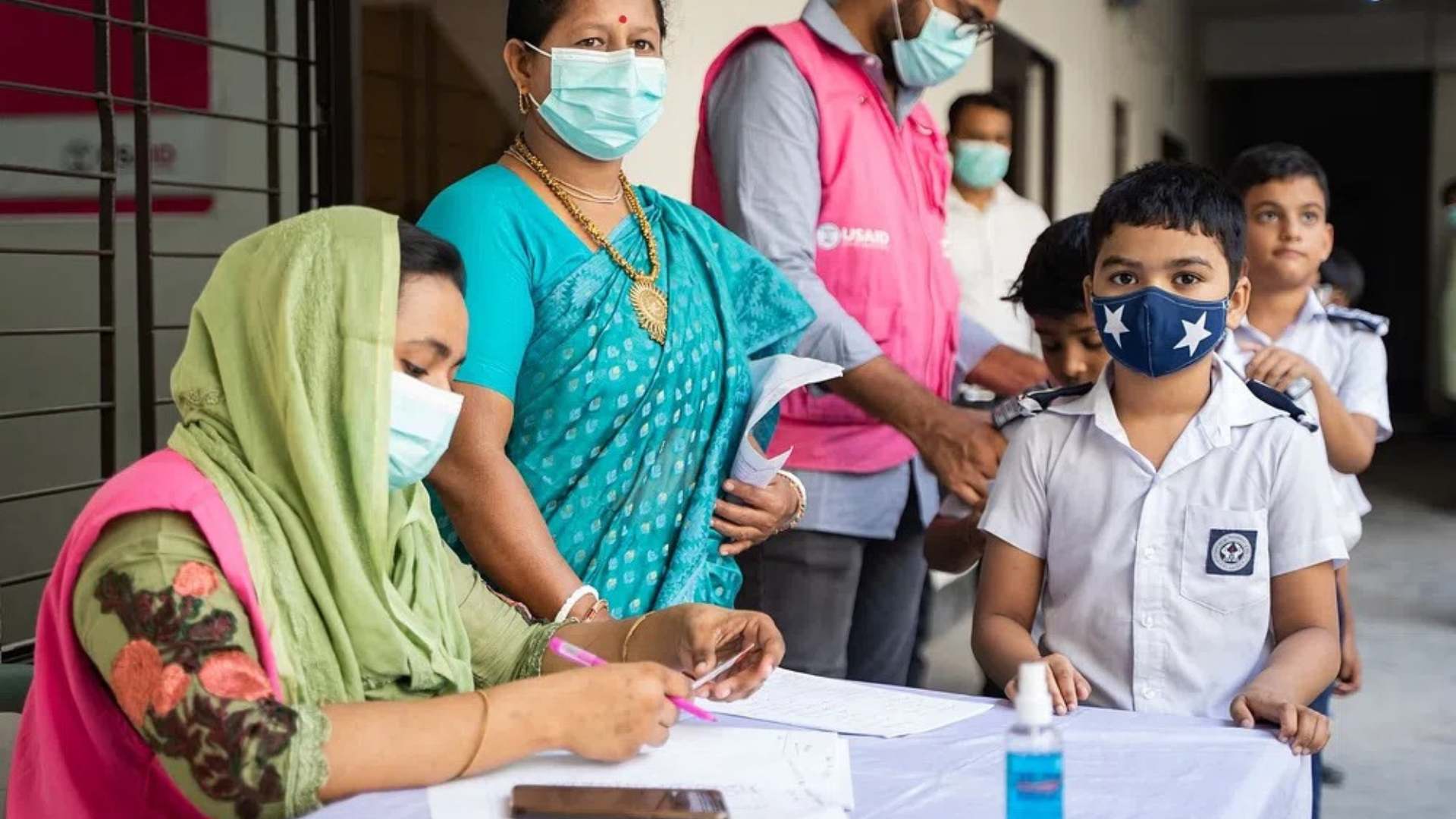
The National Family Health Survey (NFHS) is India’s most comprehensive survey on health, nutrition and population trends. The NFHS-6 fact sheets released so far cover 101 indicators and provide an early snapshot of conditions across states. The data points to continuing challenges in maternal and child nutrition and reveals shifts in how people access healthcare. The release has also generated discussion because several indicators included in previous rounds, such as sex ratio at birth, child mortality and access to clean cooking fuel, do not appear in the headline fact sheets.
The omission is notable because these indicators are linked to some of the government’s flagship programmes. Access to clean cooking fuel is one of the clearest ways to assess the reach of the Ujjwala scheme. Sex ratio at birth helps track progress in addressing gender discrimination. Infant and child mortality rates remain among the most important indicators of maternal and child health. Without them, it becomes harder to assess progress.
The data that has been released shows that some longstanding challenges remain difficult to overcome. One example is maternal healthcare. Institutional deliveries have risen to 90.6%, meaning that most women now give birth in hospitals and health facilities rather than at home. But a closer look at the figures reveals another trend. Even as institutional deliveries have increased, the share taking place in public facilities has fallen from 61.9% to 58.6%. More women are relying on private hospitals for childbirth.
This shift is important because government hospitals remain the primary source of affordable maternity care for millions of families. A delivery in a private hospital can impose substantial costs on households, particularly those with limited incomes. The figures suggest that while access to institutional care has improved, public health facilities are struggling to retain patients.
The survey’s nutrition findings are even more worrying. In Bihar, only 11.9% of children aged 6-23 months receive an adequate diet. In other words, nearly nine out of every ten young children are not getting the minimum nutrition needed during one of the most critical stages of development.
The consequences are already visible. NFHS-6 shows that 35.6% of children under the age of five in Bihar are stunted. This means more than one in three children are growing up with chronic malnutrition. Stunting is not just about height. It is a sign that a child has not received adequate nutrition over a long period of time. The effects can be lifelong, influencing physical growth, learning ability, health outcomes and future earning potential.
Another alarming figure is maternal health. Only 37.8% of pregnant women consumed iron-folic acid tablets for the recommended 180 days during pregnancy. This means nearly two-thirds of pregnant women are still not receiving adequate protection against anaemia. Poor maternal nutrition increases the risk of complications during pregnancy and can contribute to low birth weight and poor health outcomes for newborns.
The NFHS-6 fact sheets therefore present a half picture. More women are delivering in health facilities than ever before, but public hospitals are losing share to private providers. Child malnutrition remains widespread and most pregnant women are still not completing the recommended course. As more detailed NFHS-6 reports are released, a fuller picture will emerge. For now, the available data shows that some of India’s biggest health challenges remain unresolved.
