
A Story of Poor Planning, Slow Transition, Financial Mess and Climate Change
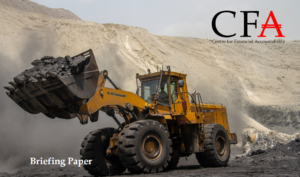 The power crisis, triggered by the coal shortage, has been in the news for the past few months. Almost the whole of India was caught in a serious power crisis from early May 2022. While the government was found napping on the issue, the reaction once the crisis hit the roof, gave no solace. Many industries ground to a near halt. Households were suffering 8-12 hours of unscheduled power cuts, right when a brutal and early summer hit large swathes of the country. Even patients died in hospitals due to lack of power. Indian governance of coal and power sectors were caught totally unprepared, with no coherent response plans to get out of the mess which continues today and is feared to be lingering even till August. The government’s decision to prioritise power units for coal supply has badly affected the non-power sectors of steel, aluminium, iron, paper, cement, etc. at a time when the economy is trying to limp its way back after a series of disastrous decisions and a pandemic. Energy expert Soumya Dutta looks at the factors which contributed to the crisis. He finds that a cocktail of poor planning, slow transition, financial mess and climate change have been the key factors behind the crisis. Any attempt to address the crisis, a phenomenon which is likely to repeat year after year, needs to keep these at its core.
Read more here: The Great Indian Power Crisis – June 2022
