
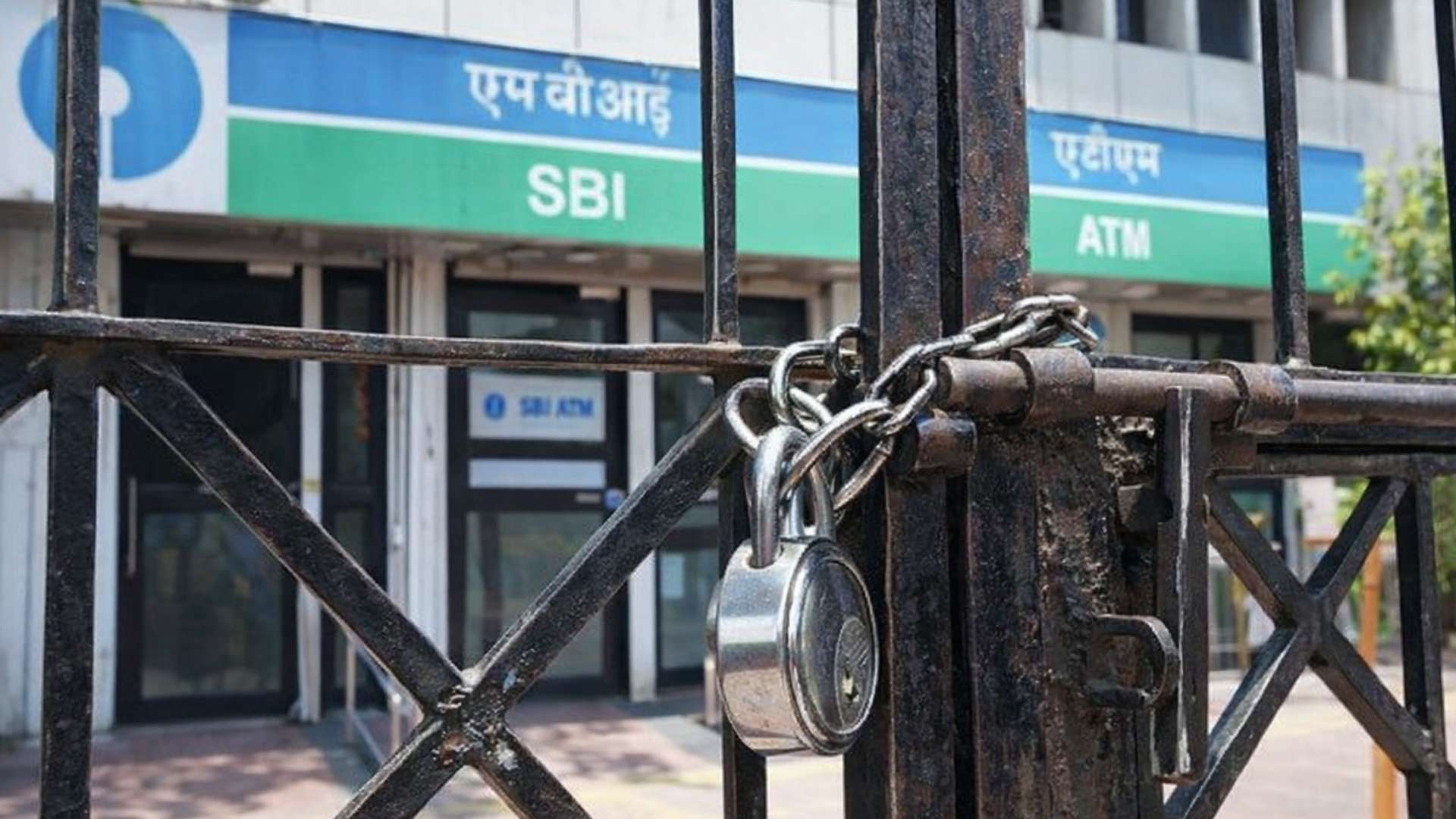
 The United Forum of Bank Unions, in their letter to the Central Labour Commissioner, which is communicated via a circular to its members, has stated, “It frustrates the process already underway before your office, defeats the purpose of the proceedings recorded on 09.03.2026, and seeks to create a fait accompli on a live industrial-relations issue that directly concerns the sanctity of settlements, fairness in treatment, industrial discipline, and respect for collective bargaining, besides non-adherence to provisions of law.”
It adds, “If a central government organisation/department openly defies the CLC’s directions, it sets a most undesirable and unhealthy precedent, gravely undermines the sanctity of conciliation, and jeopardises the entire workforce, directly affecting and threatening the interests of the workers.
We must also place on record that the industrial situation on the ground is extremely grave. In our considered assessment, the day the DFS scheme is implemented in banks for Scale IV officers and above, the workforce will be on the streets in protest. We say this not by way of rhetoric, but to underline the seriousness of the unrest that unilateral implementation is bound to trigger across the sector.”
The issue here is that the Union Government has unilaterally violated a bipartite settlement in the case of payment of Production Linked Incentive to staff. The settlement between the UFBU and IBA had recorded that the PLI scheme finalised under the 11th Bipartite Settlement / 8th Joint Note is a uniform settlement-based scheme applicable up to General Managers in Scale VII, and further recorded the unions’ objection to any unilateral departure therefrom while the dispute remained pending in conciliation.
Now the DFS has issued instructions in violation of the settlement through its directions. The most alarming things which will happen are:
Looting the banks to favour a few executives, ignoring the workers and officers who are responsible for the business and profit. For example, the incentives announced in PNB for former MD and CEO, present MD, and former EDs exceed Rs. 1 crore.
- A.K. Goel – Former MD and CEO – Rs. 16,15,680
- Kalyan Kumar – Former ED – Rs. 19,53,600
- Binod Kumar – Former ED – Rs. 16,99,509
- M. Paramasivan – Former ED – Rs. 21,50,400
- B.P. Mahapatra – Former ED – Rs. 21,50,400
These are the people who were sitting on the board and wrote off crores of corporate loans. Is rewarding them not a loot?
On the contrary, the award staff and officers up to Scale III, who did all the hard work, are paid a maximum of 15 days’ basic pay, which is a pittance.
Divide and rule:
Officers in Scale IV are paid incentives based on an unscientific Career Development System, grading them as AAA, AA, A, BBB, BB. Those with AAA are given 12 months’ basic pay as incentive, which is often Rs. 18 lakhs. Others get less, and those categorised as BB get nothing. This division is dangerous. Many people working in difficult areas with stress and strain will not get anything. Rather, there is a threat that they may be sent out.
Killing TEAM work:
Banking is teamwork. Without everyone contributing, a branch or controlling office cannot perform well. The Boston Consultancy Group, which devised the CDS, does not have any hands-on experience. Based on this, if incentives are given, it will demoralise the majority. It will also create enmity between AAA and the rest.
Five Day Banking
The bipartite settlement was signed on March 8, 2024, in which five-day banking was agreed. Two years have passed, and it is waiting for approval from the Finance Ministry, which is not under the control of the Finance Minister but the babus in the Prime Minister’s Office. The work-life balance in the banks is so poor that there is a longing for five-day banking, for which the entire banking sector was on strike on January 27, 2026. This is going to lead to another longer strike before the elections in five states.
Staff shortage in Public Banks:
There is acute staff shortage in Public Sector Banks. For example, in Indian Overseas Bank, the business has increased by 141% in 9 years, whereas the employee strength has come down by 34%, out of which the officers’ strength has come down by 22% and award staff by 53%. This puts heavy pressure on every employee, and the officers bear the burden more due to accountability. Banks used to have a 1:3 ratio of officers and award staff, but now award staff are much fewer than officers.
This is another strike issue.
No Officer and Employee Director in Public Banks
After NDA came to power in 2014, it has stopped appointing Officer Director and Employee Director, which is mandatory as per law. A case is pending at the Delhi High Court for eight years, and AIBOC has already given notice for a contempt petition.
This is also a strike issue.
Violation of CLC directives:
The Central Labour Commissioner’s office has done a laudable service by conducting reconciliation meetings and preventing many strikes, but now they are being ignored. This is not governance.
Either the Finance Minister and Secretary DFS should honour the settlement which was signed with their concurrence or resign.
The banking industry will face serious strikes soon as there is no other alternative left. It is not good for the economy, which is ailing already.
Thomas Franco is the former General Secretary of the All India Bank Officers’ Confederation and a Steering Committee Member at the Global Labour University.
Centre for Financial Accountability is now on Telegram and WhatsApp. Click here to join our Telegram channel and click here to join our WhatsApp channeland stay tuned to the latest updates and insights on the economy and finance.
