
- Over the last seven years, Indian banks have offered little loan relief to extreme weather and disaster survivors.
- The new RBI disaster relief guidelines, set to take effect this year, continue this gap by not mandating waivers or write-offs for climate disaster survivors.
- If banks are to support climate resilience, their credit policies must include debt relief during climate disasters.
- The views in the commentary are those of the author.
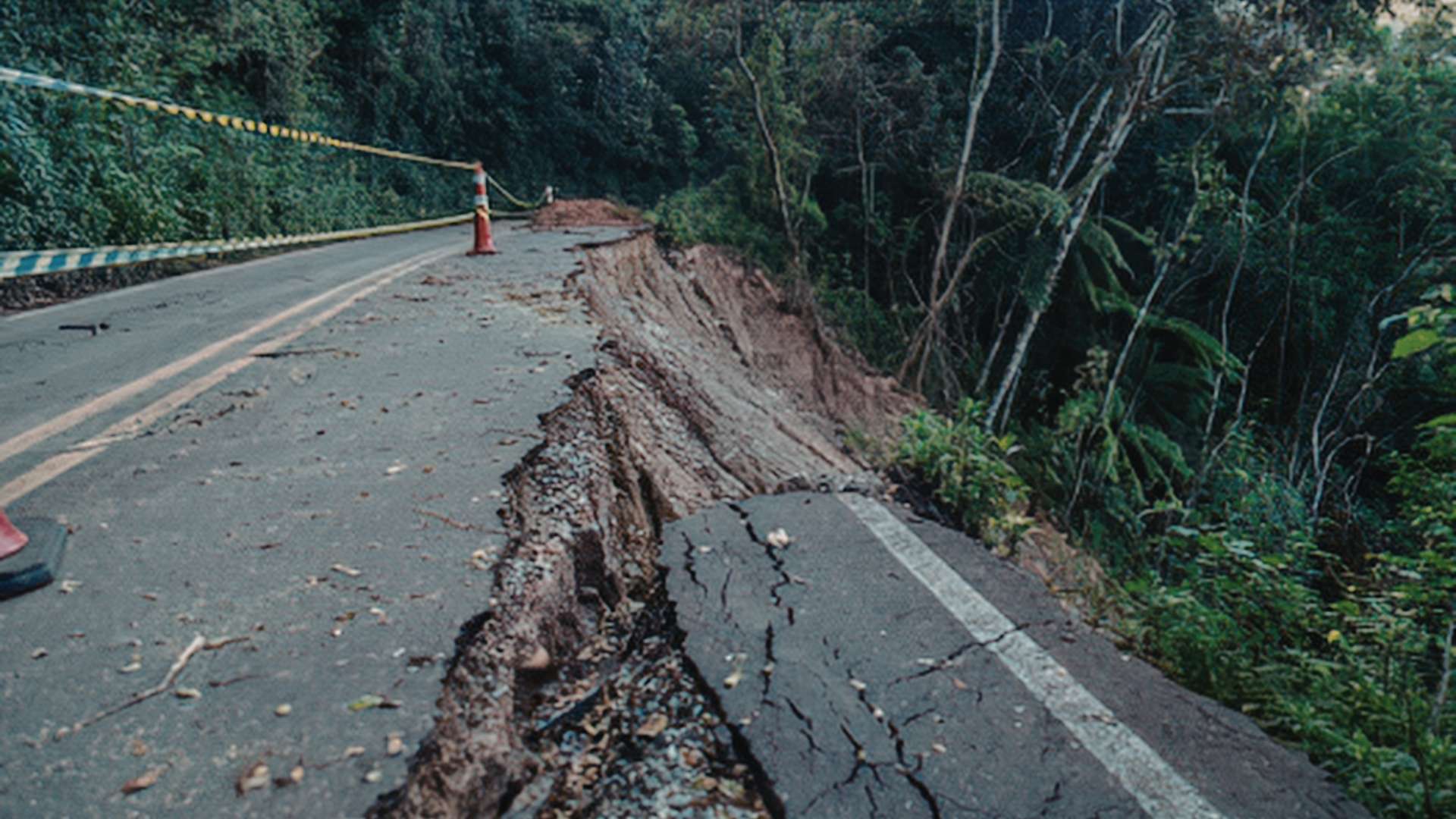 As India is convulsed with industrial development-induced climate emergencies — heatwaves, pollution, heavy rains, floods, and more — not a day passes without a climate disaster. The country witnessed 99% of the disaster days in 2025, according to a study by the Centre for Science and Environment (CSE). As people lose lives — 4,419 in 2025 as per the CSE study — livelihoods, property, and health, each episode of disaster inevitably turns into a financial catastrophe. A major aspect of the financial aftermath is the debt obligations on small borrowers — personal, retail, or agricultural — which loom on those who have lost loved ones, assets, and sources of livelihood. What are our banks and financial institutions doing to relieve the financial stress of the disaster-affected?
In the recently concluded winter session of parliament, the Ministry of Finance’s response to Congress MPs’ questions on loan relief provided to individual borrowers and small traders by scheduled commercial banks in the aftermath of floods, landslides, and intense rainfall-related damages from 2019 onwards paints a profoundly disappointing picture.
This is at a time when India is beset with climate disasters. The report Mapping Climatic and Biological Disasters in India, co-published by the National Institute of Disaster Management, states that between 1995 and 2020, India was struck by 1,058 extreme weather events, including floods, cyclones, droughts, heatwaves, and cold waves. Flooding was the most frequent hazard, making up about one-third of all events. Heatwaves were the next most common at nearly a quarter, while droughts constituted just over one-fifth. Cold waves accounted for around 16% of the total, and cyclones, which had the smallest share, accounted for roughly 5%, the report notes. The Climate Risk Index 2026, released during COP30, estimates that “between 1995 and 2024, India witnessed 430 extreme weather events, leaving 80,000 dead, 1.3 billion affected, and ₹170 billion in losses.”
Loan waivers as climate disaster relief
Against this backdrop, the Indian bank’s response to the financial devastation borders on indifference if not apathy. From 2019-20 to 2025-26, there is a complete absence of loan waivers for either individual borrowers or small traders in any state or year! This holds across all categories — agriculture, individuals, and small traders. The data shows that for banks, “loan waiver” — the complete cancellation of debt obligation — as a relief measure is effectively non-existent in climate-disaster contexts.
Write-offs, too, are almost entirely absent. With the exception of one instance in Kerala (FY 2023-24), where write-offs amounting to ₹11.7 million were approved for individual borrowers, no write-offs have been reported for small traders in any state. This indicates that write-offs are not being provided for disaster survivors. A write-off occurs when a hard-to-recover loan is removed from a bank’s balance sheet. Technically, the borrower can still be approached by the bank to recollect the written-off loan.
This article was originally published in Mongabay and you can read here.
Centre for Financial Accountability is now on Telegram and WhatsApp. Click here to join our Telegram channel and click here to join our WhatsApp channeland stay tuned to the latest updates and insights on the economy and finance.
