
To
The Chief General Manager
Credit Risk Group, Department of Regulation
Central Office, Reserve Bank of India
12th / 13th Floor, Shahid Bhagat Singh Marg
Fort, Mumbai – 400 001
Subject: Concerns regarding the revised framework released on April 29, 2026 through press release number 2026-2027/173 , for RBI relief measures in areas affected by natural calamities
Dear Sir,
Greetings from the Centre for Financial Accountability! We write to you regarding the revised Directions on relief measures for borrowers affected by natural calamities, recently updated following stakeholder feedback and now set to come into force from July 01, 2026.
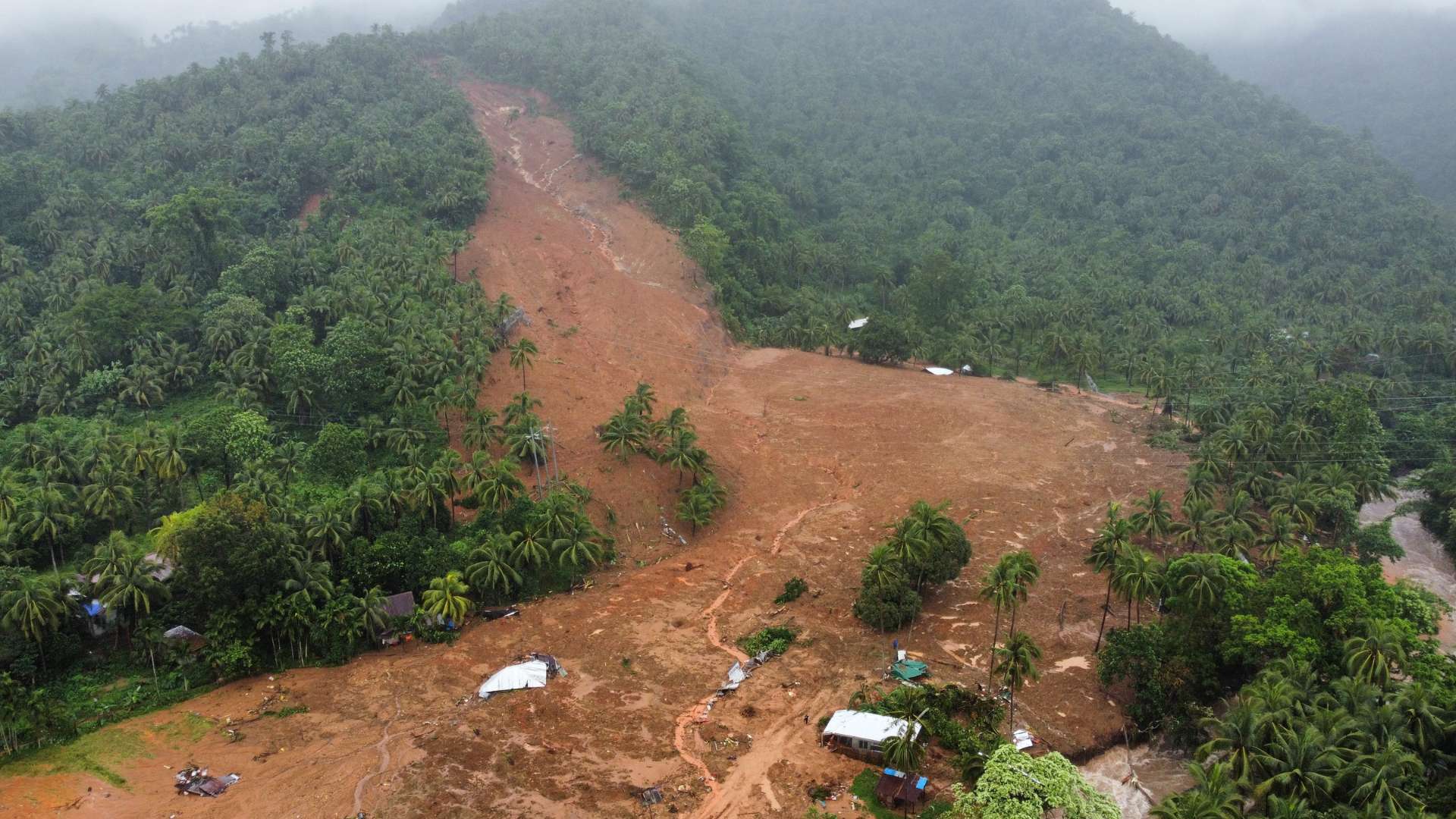
Despite our feedback sent earlier, almost all substantive concerns remain unaddressed. This has twofold consequences. If banks are to play a meaningful role in contributing towards climate resilience of the most the most vulnerable they need to build provisions for this.From this perspective this is a missed opportunity for banks. There has been a wider expectation from banks to address climate disaster induced indebtedness and disruption of financial access, as demonstrated in damning indictment of union government and RBI by the Kerala High Court for their refusal to waive loans in the wake of landslide in Wayanad in 2024. Further, the non-incorporation of people centered enabling suggestions leaves millions in the lurch at a time rife with annual climate disasters.
First, the requirement that resolution be invoked within 45 days and implemented within 90 days of calamity declaration, though well-intentioned, may not be adequate in cases of exceptional hardship. Discretion must be afforded to banks to accommodate delays arising from severe displacement, loss of documentation, or prolonged livelihood disruptions. Such discretion should also be accorded to District Level Review Committee and State Lavel Banker’s Committee.
Second, while the inclusion of events recognised under both SDRF and NDRF, and not just NDRF, frameworks broadens the definition of “natural calamity,” the continued dependence on formal declaration by Central or State Governments represents a step backwards. The 2018 master directions on disaster relief recognised the role of district authorities in triggering relief. Given the increasing frequency and localised nature of climate shocks, a more decentralised and responsive trigger mechanism is essential.
Third, the eligibility criteria remain deeply exclusionary. Restricting relief strictly to ‘Standard’ accounts not overdue beyond 30 days systematically excludes borrowers already facing structural vulnerabilities. In regions marked by agrarian distress, informal employment, and recurrent climate events, minor repayment delays are common. By privileging near-perfect repayment behaviour, the framework risks excluding precisely those borrowers most in need of relief.
Fourth, while the insistence on an additional provisioning requirement of 5% is useful there needs to be safeguards to prevent banks from withholding relief at scale, in order to avoid the provisioning requirement.
Fifth, while the availability of grievance redress under the Integrated Ombudsman Scheme is noted, the absence of a dedicated, context-sensitive grievance mechanism for disaster-affected borrowers remains a gap. Nor has such power been delegated to DLRC or SLBC. Critically, the Directions do not institutionalise any mechanism to recognise or respond to public and civil society demands for loan relief, which have historically emerged in the wake of disasters and more recently in instances such a s the Wayanad landslide of 2024. Loan relief in calamity-hit regions is not merely an individual banking decision but a collective socio-economic concern. The absence of provisions mandating consultation, transparency, or disclosure of relief decisions weakens democratic accountability. Equally important is the lack of a dedicated grievance redressal mechanism specific to calamity-related resolutions.
More fundamentally, the revised framework too adopts a narrow conception of “resolution.” Measures such as rescheduling, moratoriums, or conversion of interest provide only temporary relief. They do not address irreversible income losses caused by severe or repeated disasters. Loan waivers or write-offs remain absent from the revised resolution plans.
Available data revealed by the union government in Parliament underscores this concern. Between 2019–20 and 2025–26, there has been a complete absence of loan waivers for individual borrowers or small traders across states. Write-offs too are nearly non-existent, barring a single instance in Kerala. This indicates that, in practice, meaningful debt relief is not being extended in disaster contexts.
Recent developments following the 2024 Wayanad landslide further illustrate this gap. Despite judicial censure and sustained demands from affected communities, there was reluctance at the institutional level of RBI and banks to provide waivers. Recently, the High Court of Kerala came down heavily on the Union government and banks for their blatant unwillingness to offer loan waivers to the survivors of the devastating 2024 landslide in Wayanad. On the other hand, the state government-controlled Kerala Bank readily wrote-off the loans of those affected, effectively demonstrating that it was possible for banks to do so without incurring a heavy loss. Finally, in January 2026, in the face of continued indifference from the union government, banks, and the RBI, the Kerala government took on the financial liability for 1620 loans totalling over ₹187.5 million issued to 555 beneficiaries. Undoubtedly, these developments prodded the RBI to come out with new directions for relief measures for ‘natural calamities’.
Finally, it remains unclear whether the process of revising these Directions incorporated inputs from affected communities themselves. Given that these guidelines directly shape post-disaster recovery, their voices are indispensable.
In light of the above, we urge the Reserve Bank of India to revisit key provisions of the framework, invite disaster affected indebted parties, civil society collectives, bank unions for their suggestions, to ensure that the provisions are inclusive, responsive, and aligned with the realities of a climate-vulnerable economy.
Yours sincerely,
Centre for Financial Accountability
