
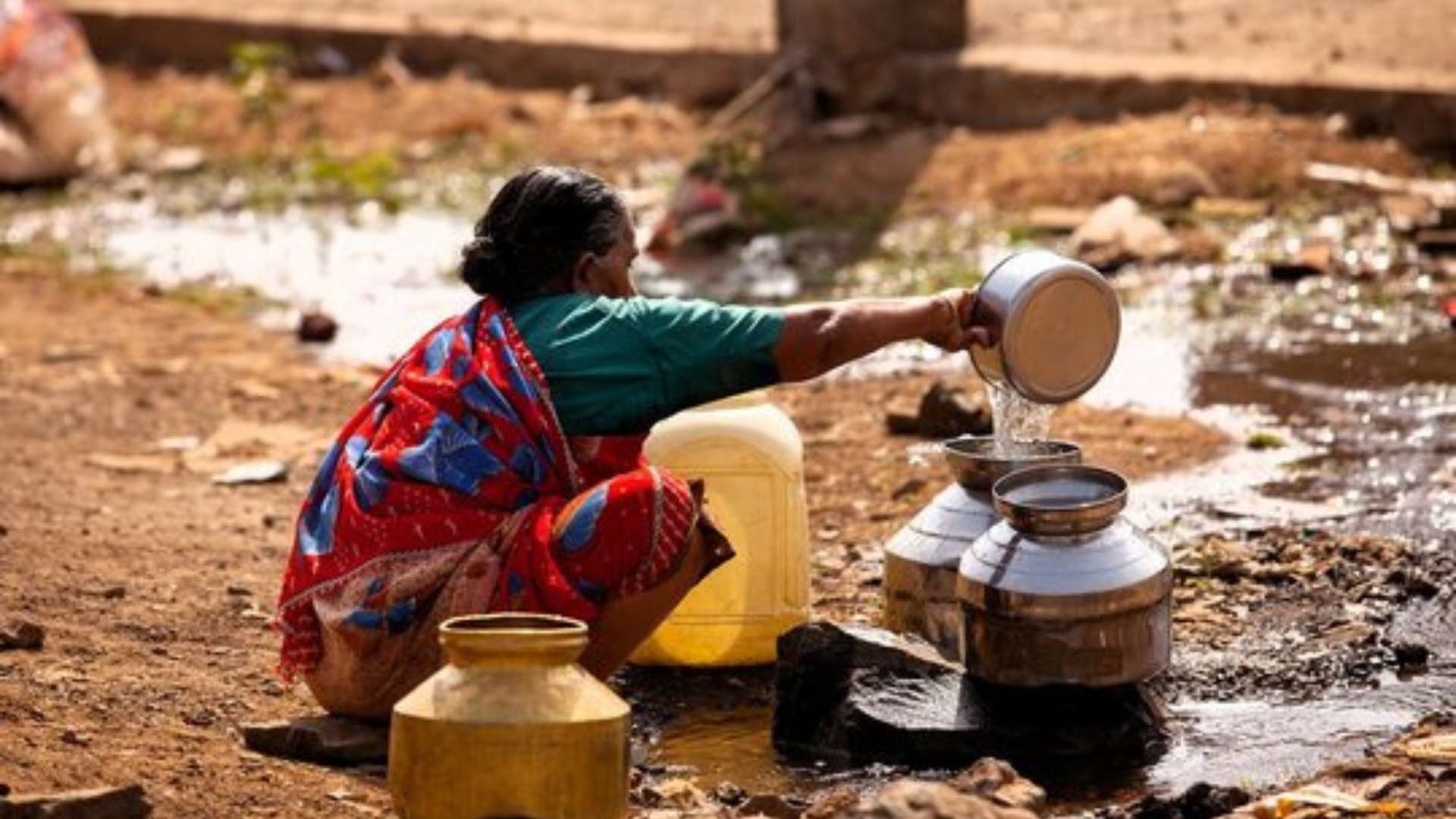
India’s southwest monsoon has entered the season on a worrying note, with rainfall running 35% below normal and central India recording a deficit of 63%. While June rainfall shortages are not uncommon, the current situation is unfolding against the backdrop of a developing El Niño event that global agencies expect could strengthen into a moderate or even very strong episode later this year. The delayed advance of the monsoon, particularly across Maharashtra and central India, reflects not only local weather disturbances but also the growing influence of global climate systems on India’s rainfall patterns.
The concern extends beyond a temporary delay in rains. Agriculture, water resources, and rural livelihoods remain deeply dependent on monsoon performance. Although the Centre has directed states to prepare crop-specific contingency plans and placed nearly 200 districts under close monitoring, the challenge is much larger. Weak monsoon winds can lead to delayed sowing, crop stress, declining yields, and water scarcity. At the same time, warmer oceans associated with climate change can trigger sudden episodes of extreme rainfall, floods, and landslides. India must therefore prepare simultaneously for drought and flood risks rather than viewing them as separate challenges.
The economic implications are equally serious. A poor monsoon can push up food prices, reduce rural purchasing power, and place additional pressure on inflation management. Concerns are already emerging over fertiliser availability, with global supply disruptions and rising energy prices increasing costs. While reservoir storage levels are currently better than in previous El Niño years, water security remains a growing concern for both rural communities and rapidly expanding cities that depend heavily on reservoirs and groundwater. The Reserve Bank of India has also highlighted the risk of food inflation arising from weather-related disruptions.
The greatest risk of a prolonged rainfall deficit is its impact on livelihoods and food security. Agriculture still employs nearly half of India’s workforce, directly or indirectly supporting millions of rural households. A weak monsoon can reduce farm incomes, shrink demand for rural labour, and worsen distress migration at a time when unemployment and underemployment remain persistent concerns. Lower agricultural output can also push up prices of cereals, pulses, vegetables, and other essentials, disproportionately affecting low-income households that already spend a large share of their income on food. In a country where malnutrition and food insecurity continue to be significant challenges, any disruption to food production can deepen existing inequalities and place additional pressure on public welfare programmes.
What makes this year particularly significant is that El Niño is developing in a much warmer world than in the past. Scientists caution against sensational labels such as “Super El Niño,” but they also stress that the event should be treated as a serious climate risk and an early warning. India can no longer respond to climate shocks as isolated emergencies. Building resilience through climate-adaptive agriculture, stronger water management systems, improved forecasting, and effective social protection measures must become central to economic planning. The real challenge is not merely surviving one difficult monsoon season but preparing for a future in which climate uncertainty becomes the norm.
