
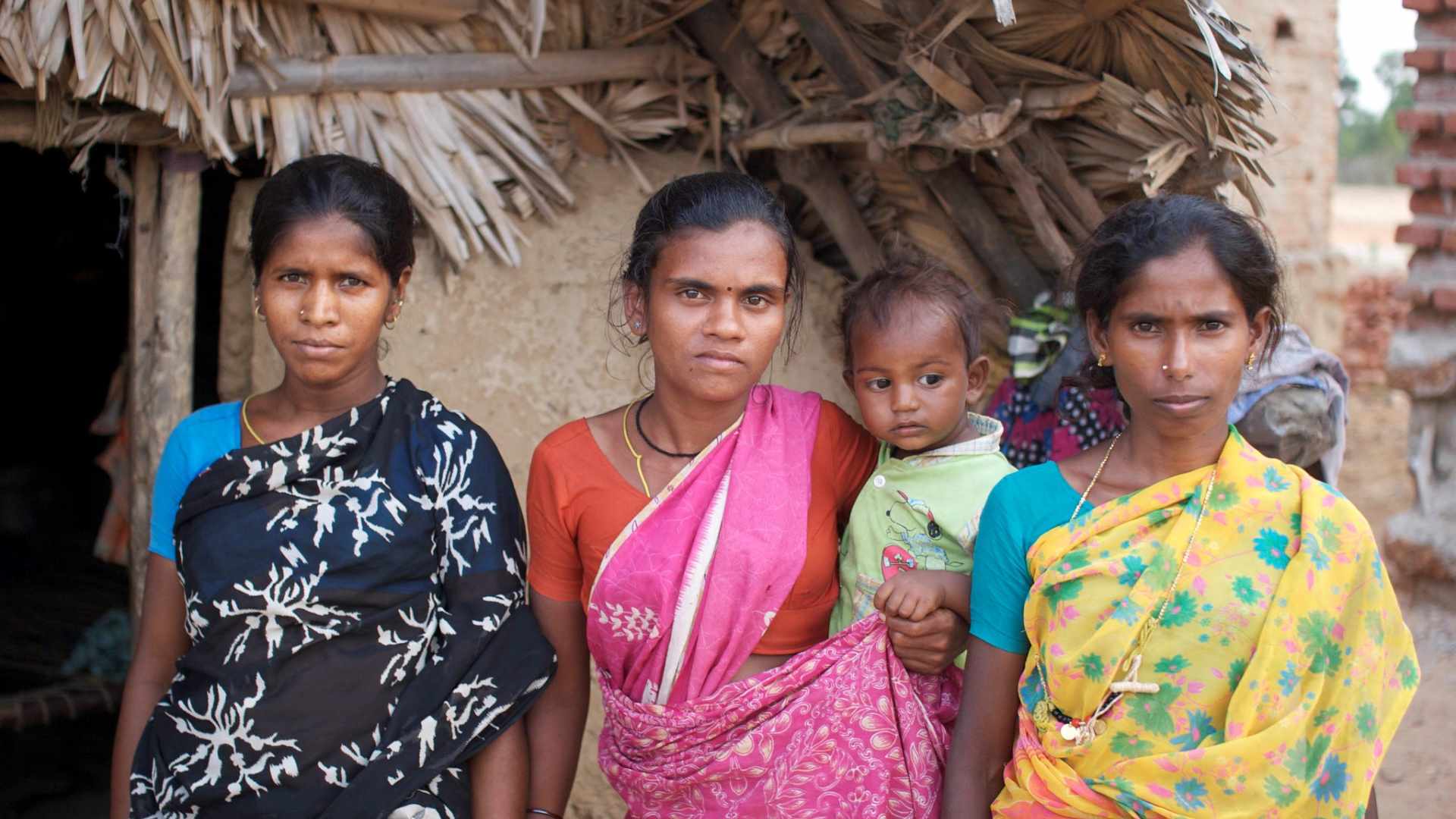
India’s Economic inequality is closely connected to its long-standing system of social stratification, particularly the caste system. Although economic reforms and globalisation have contributed to economic growth and increased incomes for many sections of society, significant gaps in wealth and opportunities remain. These disparities often reflect deeply rooted social inequalities rather than economic factors alone. In other words, wealth inequality in India cannot be explained only by market forces or economic performances; it is also shaped by historical and structural inequalities embedded in social institutions such as caste. Caste continues to be a significant factor in determining social capital, career mobility, and access to financial resources. Current evidence indicates India faces significant income and wealth inequality, ranking among the highest globally. According to the World Inequality Report 2026, the top 10 percent of earners capture about 58 percent of national income, while the bottom 50 percent receive only 15 percent reflecting a highly skewed distribution of economic resources. Wealth concentration is even more pronounced, with the richest 10 percent owning around 65 percent of total wealth, and the top 1 percent controlling nearly 40 percent (Chancel, et.al, 2026). Although these numbers capture macroeconomic disparity, but it does not completely convey the social dynamics underpinning these inequalities, particularly as wealth disparity in India is significantly influenced by caste-based hierarchies, which affect resource ownership and economic engagement.
Historically marginalized groups, notably Dalits officially known as Scheduled Castes (SCs) and Adivasis officially known as Scheduled Tribes (STs), experience lower level of asset ownership, income, and access to resources compared to upper-caste groups. Caste structures persist in influencing occupational stratification, with upper castes largely in professional and corporate roles, while lower castes are found in informal, low-paying jobs (Mary, et.al, 2025). Historically caste has played a significant role in the unequal distribution of wealth in India, particularly in land ownership. While the colonial era solidified this disparity through land titles, post-independence reforms aimed to redistribute land to lower castes have achieved limited success, affecting only certain caste ranks. Despite some improvements across all castes, upper caste continues to gain wealth and consumption at a faster rate than lower castes, suggesting persistent caste-based discrimination and a lack of convergence in socio-economic status despite positive affirmative action policies like reservations (Bharti, 2018). Consequently, historical inequalities in asset ownership continue to shape contemporary wealth disparities.
Despite economic growth and improvements in living standards, upper-caste households have accumulated wealth at a significantly faster rate than other caste groups. Although affirmative action policies have enhanced representation for marginalized communities, they have not sufficiently tackled structural inequalities in wealth and property ownership. Bharti (2018) indicates that while consumption and wealth levels have increased for all groups, the growth for upper-caste households remains more pronounced, highlighting ongoing structural barriers that hinder equal socio-economic outcomes. Beyond material disparities, caste-based inequality is evident in social discrimination within labor markets, as seen in qualitative studies revealing Dalits and Adivasis facing caste-related scrutiny, resentment for reservation benefits, and hostility in workplaces. These experiences underscore the stigma and prejudice that limit their employment opportunities and mobility (Deshpande, 2013). This discrepancy demonstrates how caste functions as a structural mechanism that affects how economic opportunities are distributed.
The persistence of discrimination can be understood through social dominance theory, which posits that dominant groups resist policies aimed at reducing inequality to sustain their advantages. Research indicates that such groups view redistributive policies as threats, opposing affirmative action and initiatives for social equity (Lowery e.al, 2006), which, in the Indian context, solidifies structural barriers for marginalized communities. Additionally, the caste system functions as both a cultural and economic structure, influencing access to resources and opportunities. It shapes the distribution of financial and non-financial resources, affecting access to education, employment, capital, and land. These disparities result in unequal labor and investment returns, perpetuating economic inequality through generations, and hindering Dalits and Adivasis in wealth accumulation and socio-economic advancement (Bapuji & Chrispal, 2020).
This means that understanding wealth disparity in India requires looking at it from the perspective of social stratification in addition to macroeconomic data, particularly the role of caste in shaping access to opportunities and resources. Historical exclusions of Dalits and Adivasis from land ownership, education, and skilled occupations have entrenched wealth disparities, which are the result of long-standing structural barriers. Although post-independence policies have improved representation for some marginalized communities, structural inequalities persist, limiting their upward mobility. Economic growth has aided living standards but has not dismantled inequalities rooted in social hierarchy. Therefore, addressing wealth inequality demands a multidimensional approach that includes economic reforms and targeted social initiatives to challenge discrimination and promote inclusion for marginalized groups.
REFERENCES
Bapuji, H., & Chrispal, S. (2020). Understanding economic inequality through the lens of caste. Journal of Business Ethics, 162(3), 533-551.
Bharti, N. K. (2018). “Wealth Inequality, Class and Caste in India, 1961-2012”. WID. world Working Paper No. 2018/14.
Chancel, L., Gómez-Carrera, R., Moshrif, R., Piketty, T., et al. World Inequality Report 2026, World Inequality Lab. wir2026.wid.world. Access on 12 March 2026 from https://wir2026.wid.world/www-site/uploads/2025/11/WIR26_Country_Sheets.pdf
Deshpande, A. (2013). Social justice through affirmative action in India: an assessment. Capitalism on Trial: Explorations in the Tradition of Thomas E. Weisskopf. North Hampton: Edward Elgar Publishing Limited, 266-285.
Lowery, B. S., Unzueta, M. M., Knowles, E. D., & Goff, P. A. (2006). Concern for the in-group and opposition to affirmative action. Journal of personality and social psychology, 90(6), 961
Mary, S., Parappagoudar, S.K., Shejwadkar, P., Nakrani, D., Anantpur, A., and Patel, C., (2025). Research paper on Wealth disparity in India and the parameters leading to Wealth disparity. International Journal of Innovative Research in Technology. Volume 11 Issue 1. pp. 9-15
