
The number of people with a net worth over Rs 1000 crore has grown 77% since 2019.
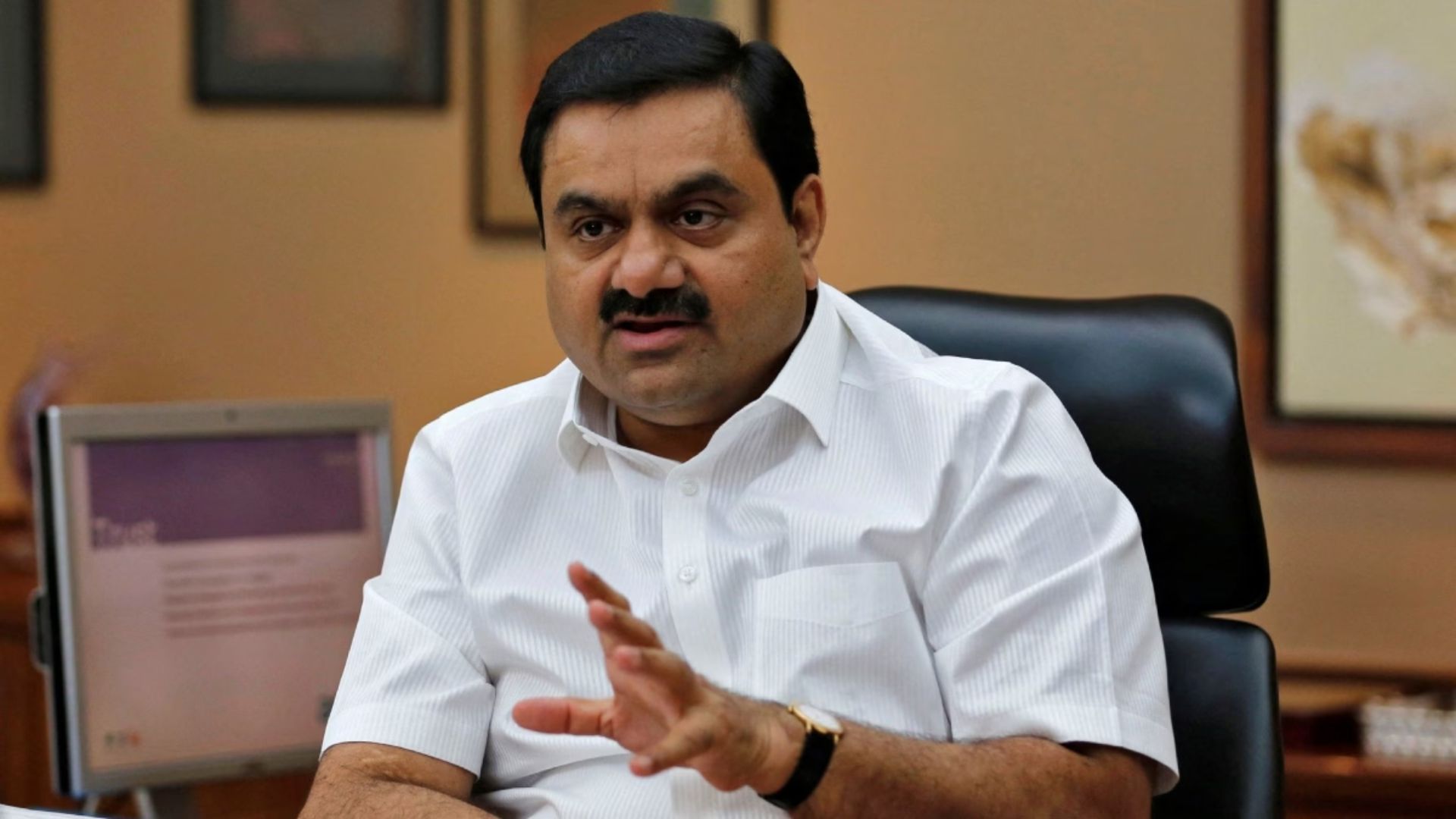
Adani’s wealth surged 625% between 2019-2025, report shares impact of 2% wealth tax
India saw its billionaire tally increase from a single individual in 1991 to more than 358 people in 2025 — controlling more than 40% of the national wealth. The number of people with a net worth over Rs 1000 crore has grown 77% since 2019. A new report also reveals that the five richest families in the country have seen their wealth grow 400% during this period.
According to a new study by the Centre for Financial Accountability, India now reports inequitable distribution of wealth at levels “India is witnessing inequality at levels comparable to colonial times”. The 1% controls more than 40% of the national wealth, while the bottom 50% of the population survives on just 15%.
The CFA is a Delhi-based non-profit organisation that monitors, researches, and critiques the investments of financial institutions to ensure transparency and accountability.
‘Inequality comparable to British India’
“The number of individuals on the Hurun Rich List with wealth above Rs 1,000 crore has increased sharply in recent years. And so did their combined wealth. Between 2019 till 2025 individuals with 1000 crores and above in terms of headcount grew by 77%! In the same time period, their wealth grew by a staggering 227%!” outlines the report titled Wealth Tracker India: Tax the top, Close the gap.
Data reveals that the same period of time also saw household debt rise sharply as ordinary Indians took loans. The report indicates that the bulk of this borrowing was not for productive purposes or to buy assets, but simply to make ends meet. Household debt has risen from ₹69.9 lakh crore (2019-20) to ₹136.6 lakh crore in 2024-25 — nearly doubling in just five years.
What changed in the past six years?
The CFA report notes that only 953 had crossed the Rs 1000 crore personal wealth milestone in 2019 — holding roughly Rs 50 lakh crore. The number shrank to 828 as markets crashed and businesses stuttered amid the COVID-19 pandemic in 2020. But as the world made its way through inflation, rate hikes, geopolitical shocks, the super-rich made ‘super profits’.
“The combined wealth did not shrink despite COVID. By 2021, the recovery was already complete. The count bounced back past a thousand. And the total wealth didn’t just keep pace, but in fact it shot to Rs 90 lakh crore, almost 50% higher than the pre-pandemic figure. The rich hadn’t just survived COVID. They had used it. In 2022 the number of people in the club only crept from 1,007 to 1,013 but their combined wealth crept to Rs 100 lakh crore. Then came 2023, and the dam broke. Three hundred new entrants joined the four-figure-crore club in a single year and their combined wealth jumped to Rs 109 lakh crore,” the report adds.
The case for a wealth tax
According to the Bloomberg Billionaires Index, Mukesh Ambani is the richest person in India with a current net worth of $91 billion. He is ranked 18th in the world while India’s second-richest man follows at the 23rd position. Gautam Adani has a net worth of $75.7 billion as per the latest updates. The CFA report reveals that Ambani saw his wealth increase by 153% from 2019 to 2025. Meanwhile Adani saw a whopping 625% surge in his fortunes.
“A 2% Wealth Tax on Ambani can translate into free laptops to approximately 1.85 crore Class 10 students three times! Providing Rs 18,000 to 2.85 crore women would cost about ₹51,300 crore annually, meaning a 2% Wealth Tax on Ambani could finance nearly two years of universal maternity rights,” the report noted.
The report also outlined a similar breakdown for Gautam Adani — noting that a 2% wealth tax could fund over two years of primary healthcare services across the country or provide 87 crore free LPG cylinders.
This article was originally published in Financial express and you can read here.
Centre for Financial Accountability is now on Telegram and WhatsApp. Click here to join our Telegram channel and click here to join our WhatsApp channel and stay tuned to the latest updates and insights on the economy and finance.
