
Finance Matters | 22 May 2026
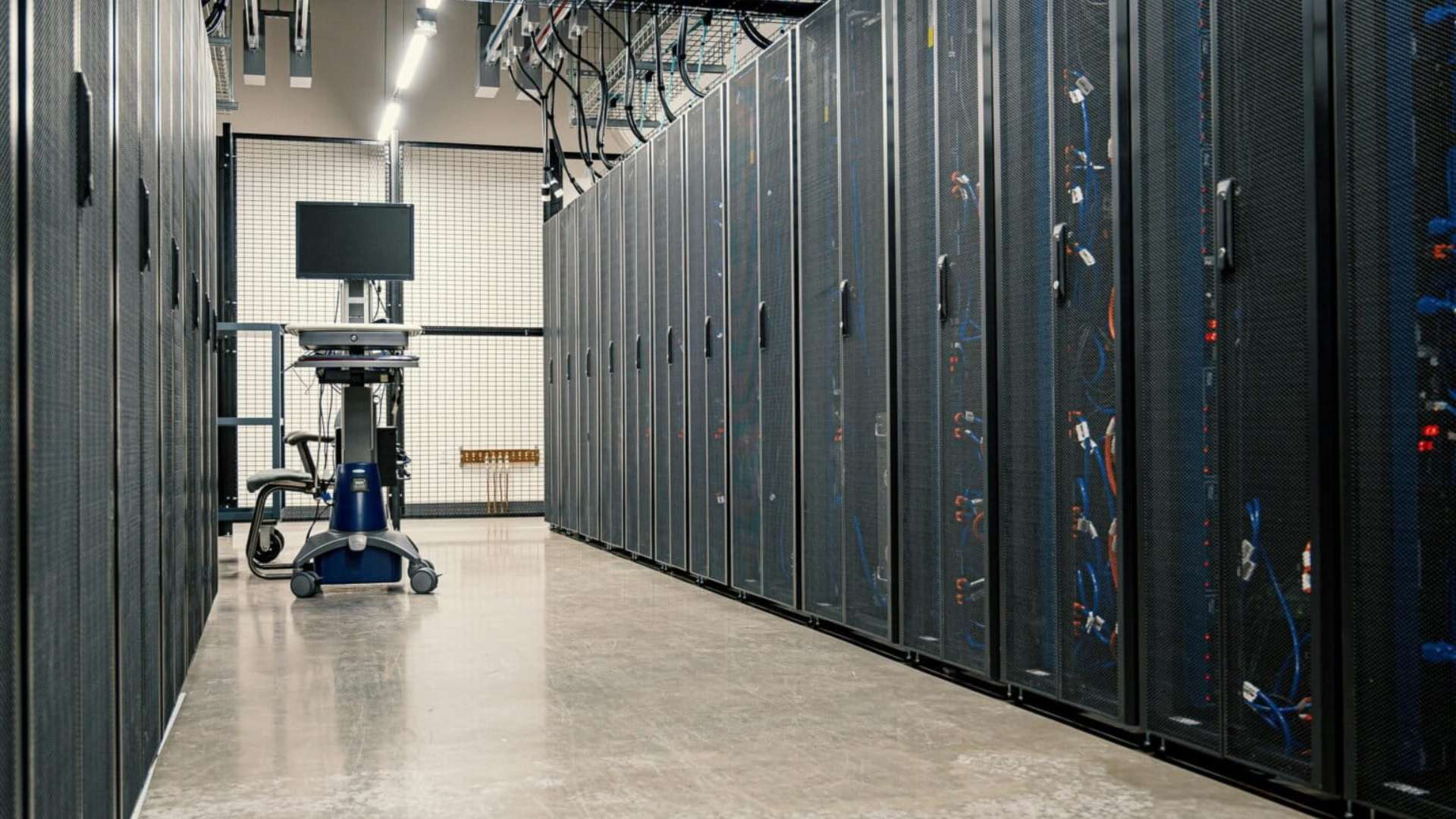 Prime Minister Narendra Modi is projecting India as the next global hub for artificial intelligence, with companies like Google, Microsoft and OpenAI pouring billions into data centres. The biggest symbol of this ambition is in Visakhapatnam, where Google is building what could become its largest data centre outside the US. Governments are celebrating this as “development”. But behind the AI hype lies a troubling story of land acquisition, environmental damage and growing inequality.
Data centres are extremely power- and water-intensive, especially the new AI-focused hyperscale facilities that operate 24×7. Yet India still has no proper national policy regulating them. In Vizag, environmental activists and lawyers have raised serious concerns because the project received rapid environmental clearance without clear public information on water consumption, energy use or long-term environmental impact. This is happening in a region already facing groundwater stress. While corporations are promised uninterrupted resources, nearby communities are often left dealing with shortages and uncertainty.
The burden of this “digital development” is falling disproportionately on the poor. Reports from Vizag and Mumbai show Dalit and low-income communities facing displacement and pressure to give up land for data centres and related projects. In Tarluvada village, residents allege that Dalit-owned land is being specifically targeted for acquisition. At the same time, the electricity demands of these projects are pushing governments to continue depending on coal power, worsening pollution and public health risks in already vulnerable regions.
What is happening in Vizag reflects a growing global pattern surrounding the unchecked expansion of Big Tech infrastructure. In the United States, Congresswoman Alexandria Ocasio-Cortez recently exposed complaints from residents in Georgia who say water near a massive Meta data centre turned discoloured and unsafe after construction intensified, forcing some families to depend on shipped water even for bathing and cooking. Big Tech’s AI expansion is being sold as progress, while ordinary communities are left to bear the environmental damage, water stress and public health risks.
India has every right to build digital infrastructure and strengthen technological sovereignty. But growth without accountability is not progress. If AI expansion comes at the cost of displaced communities, depleted water resources and increased coal dependence, then the country risks repeating the same destructive development model in a new digital form. India does not just need more data centres, it needs democratic regulation, environmental safeguards and justice for the people forced to bear the cost of this AI boom.
– Team CFA
