
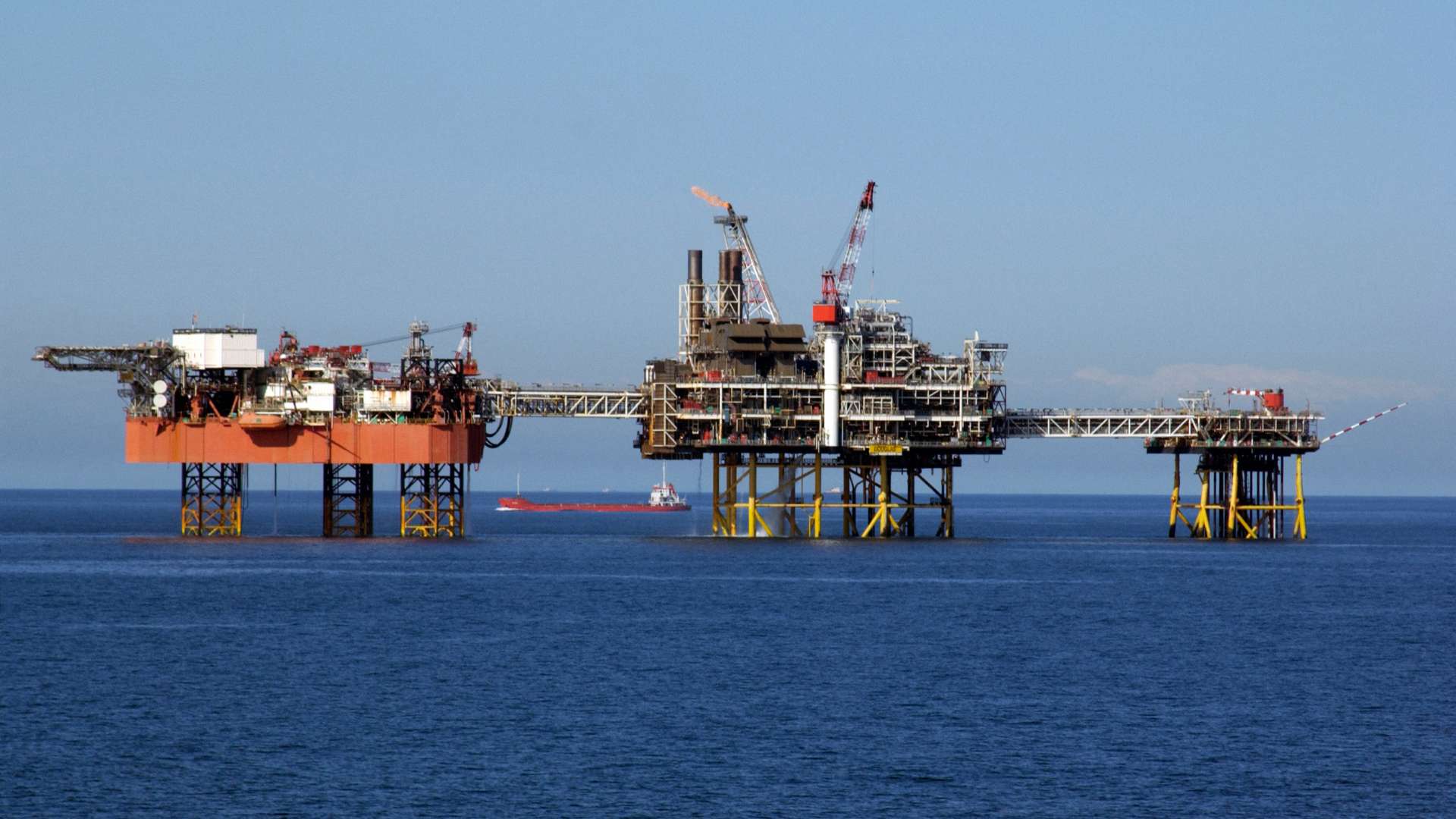
 INDIA’S 2025 was a year of unrelenting climate catastrophe. Extreme climatic events battered the country on 99 per cent of days from January to November, devastating 17.4 million hectare of crops and claiming over 4,400 lives. The “Year of Extremes” brought heat waves that scorched Delhi, floods that submerged Assam and cyclones that ravaged coasts. Yet, the Union Budget 2026 doubles down on fossil fuels, pouring a whopping 56 per cent more than the prior year into petrochemicals, to expand chemical parks despite glaring overcapacity and emissions risks.
OVERCAPACITY IN A GLUTTED MARKET
India’s petrochemical drive promises ‘Atmanirbhar Bharat,’ but evidence flags caution. The sector’s capacity utilization hovers below 90 per cent, with $37 billion capex aiming to add 46 million tonne by 2030. This risks Asia-Pacific oversupply, following a model where Chinese state firms flood markets at losses, depressing prices and squeezing Indian margins amid high crude costs. Budget 2026’s ₹16,001 crore injection accelerates this trajectory by financing petrochemical infrastructure dependent on refineries. Petrochemical plants use naphtha, a crude oil derivative produced by refineries, as their primary feedstock. Expanding polymer and plastics production, therefore, necessitates parallel or expanded refining capacity, incentivizing more refinery expansions while ignoring critical demand gaps and the urgent need for a circular economy. This is a profound hypocrisy: as the nation struggles with a plastic waste crisis and battles false solutions like waste-to-energy, public policy is subsidizing the factories that churn out more plastic.
FOSSIL LOCK-IN AND GREENHOUSE GAS SURGE
Petrochemical expansion will lock India into higher oil imports and an exploration spree, since refineries must produce naphtha for plastics. The production process alone accounts for ~2.5% of national GHG emissions (70Mt of CO₂e). New factories mean decades of locked-in emissions, clashing with India’s Greenhouse Gas Emission Intensity targets and 2070 net-zero pledge. While the climate goals demand reduced refinery emissions, Budget 2026 builds new plants instead of cleaning existing ones. By 2050, primary plastic production will account for 21-26 per cent of the global carbon budget to keep the average global temperature rise below 1.5°C. However, the 2026 union budget ignores these upstream impacts and the downstream plastic waste crisis — plastic-choked rivers, overflowing landfills and microplastics in our bodies. This expansion also positions India as a growing petrochemical hub just as the world negotiates a global treaty to end plastic pollution.
MISPLACED PRIORITIES
The Economic Survey flags climate adaptation as a front-line priority. The budget, however, tells a different story. The funding for National Coastal Management Programme dips 12.84 per cent to ₹1,205 crore from 2025, National Programme for Climate Change and Human Health gets zero dedicated funding; and biodiversity conservation crawls at ₹52 crore. These meager allocations stand against ₹1,33,721 crore for oil exploration, refineries, and petrochemicals. Additionally, deep ocean mining (₹625 crore) overshadows coastal defenses, leaving vulnerable ecosystems and public health exposed as fossil fuel sectors receive disproportionate fiscal support.
A PRAGMATIC RETREAT?
India’s path forward requires radical cuts to primary plastic production, ending the lock-in this budget perpetuates. Budget 2026’s petrochemical gamble isn’t just a missed opportunity; it’s an active acceleration of climate catastrophe for the millions already living on its front lines, a choice that sacrifices ecology and equity at the altar of fossil-fueled growth.
This article was originally published in The New Indian Express and can read here.
