
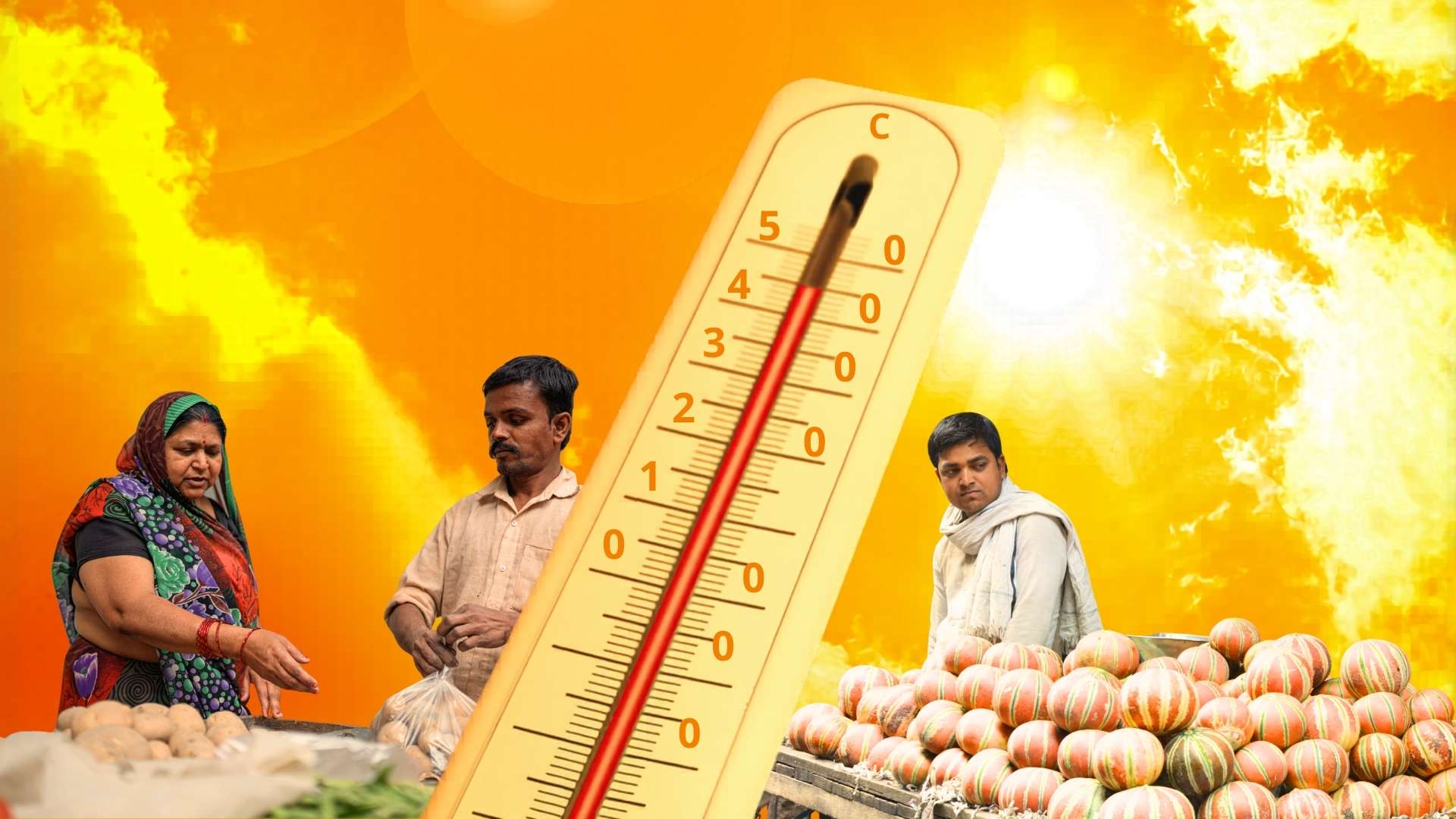
 India may be heading into a difficult inflation cycle, and this time the trigger is the weather. Extreme heat and the threat of weak monsoon rains are not just environmental concerns, they are economic risks. When temperatures rise sharply, power demand shoots up. Households use more electricity for cooling, pushing energy consumption to record levels. At the same time, below-normal rainfall threatens agriculture, which still supports a large share of India’s population.
Food prices are likely to feel the impact first. A weak monsoon can reduce crop yields and increase farmers’ dependence on costly irrigation. When input costs such as diesel and fertilisers rise, farmers have little choice but to pass these costs on. Food already carries the highest weight in India’s inflation basket, so even small increases can push overall inflation up. What was earlier controlled by low vegetable prices may now reverse quickly.
There is also a deeper concern about rural demand. If farm incomes fall due to poor harvests, spending in rural areas will slow down. This can affect overall economic growth, not just agriculture. India’s growth story still depends significantly on rural consumption. A slowdown here can weaken recovery trends seen in recent quarters.
The government is now caught in a tight spot. Rising inflation may require tighter monetary policy, but slowing growth calls for support. High global crude oil prices make this balance even harder. While buffer stocks of food grains and better irrigation may soften the blow, they cannot fully offset a prolonged weather shock.
The larger issue is that climate-related risks are becoming more frequent and more visible in economic data. Heatwaves and erratic rainfall are no longer one-off events. They are structural challenges. India’s policy response must go beyond short-term fixes and focus on climate-resilient agriculture, energy efficiency, and stronger rural support systems.
– Team CFA
