
India’s inflation story is beginning to look more fragile than the headline numbers suggest. Retail inflation, measured through the Consumer Price Index (CPI), remains below the RBI’s comfort level at 3.48 per cent in April. At first glance, this appears reassuring for households as well as policymakers. But the sharp rise in wholesale inflation (WPI) to 8.3 per cent, the highest in 42 months, tells a different story. The spike is largely driven by fuel and energy costs after the West Asia conflict disrupted global crude supplies. This widening gap between CPI and WPI reflects a dangerous lag: producer costs are rising much faster than consumer prices, and sooner or later the burden is likely to reach ordinary people.
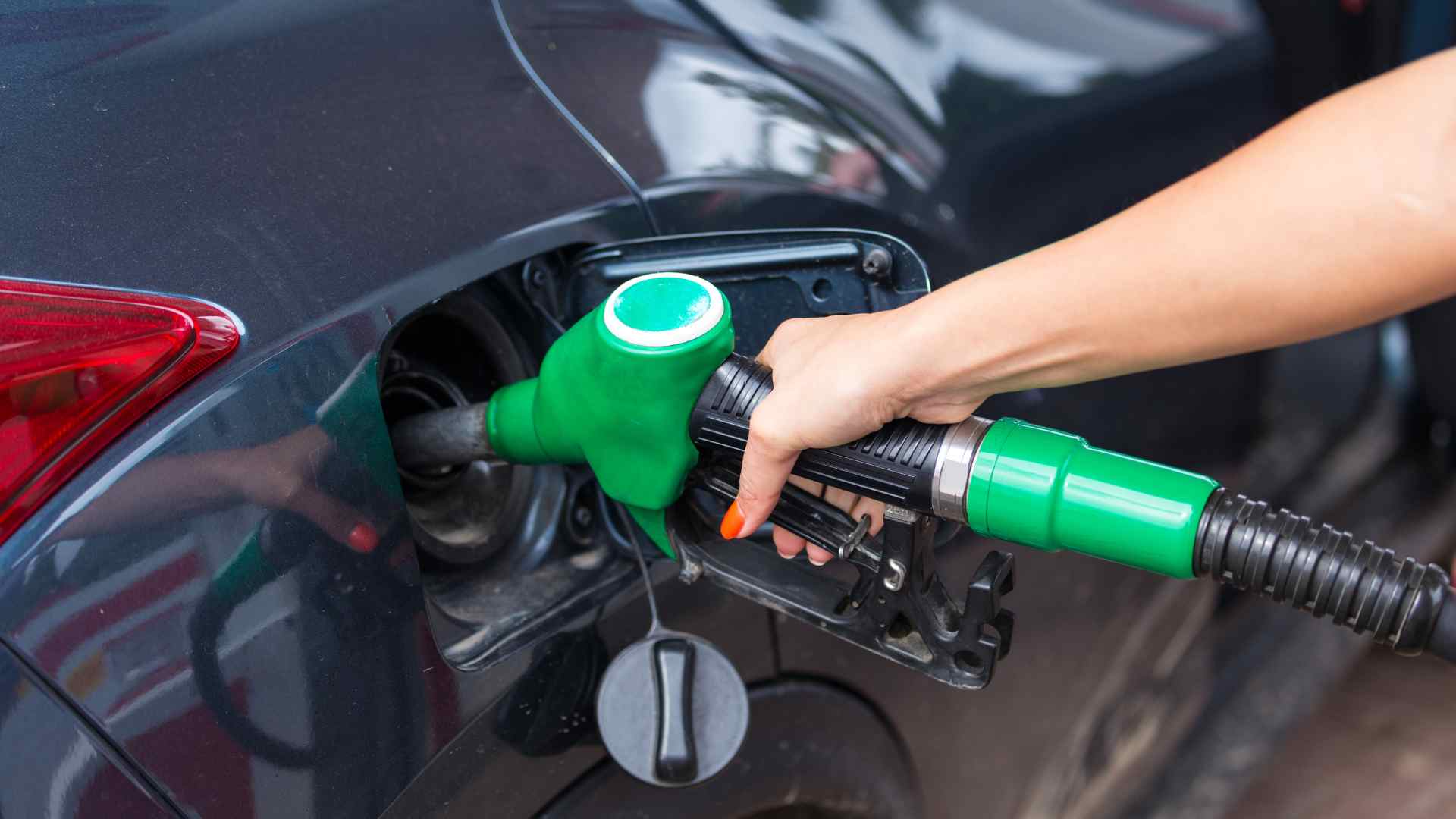
The recent increase in petrol and diesel prices has made the situation more serious. After keeping fuel prices frozen for more than four years, state-run oil companies have now raised prices twice within a week. Though the hikes may appear small in isolation, fuel affects almost every part of the economy. Diesel powers transport, agriculture, and logistics, meaning higher fuel costs eventually raise the prices of vegetables, milk, packaged goods, cement, and other essentials. The government argues that these increases are necessary to reduce losses faced by oil companies due to soaring global crude prices. Yet, the delayed revisions also expose how fuel pricing in India remains deeply political, with opposition parties accusing the government of postponing hikes until after elections.
What is worrying is that inflationary pressures are no longer limited to global crude oil. Milk prices are rising, freight costs are increasing, and food inflation could worsen further if the monsoon is weak or El Niño disrupts agricultural output. The present CPI numbers may therefore offer only temporary comfort. Wholesale inflation acts as an early warning signal, and history shows that sustained increases in producer costs eventually pass through to retail prices. Economists already expect retail inflation to edge higher in the coming months, with the full impact of fuel price hikes likely to be reflected by June and July.
For the Reserve Bank of India (RBI), this creates a difficult balancing act. The central bank cannot ignore the risk of inflation rising again, especially when the rupee remains under pressure and global oil prices are volatile. At the same time, keeping interest rates high for too long may slow economic growth and weaken investment demand. The RBI is therefore expected to maintain a cautious pause on rate cuts while closely watching crude prices, the monsoon, and the extent to which wholesale inflation spills into retail inflation.
The larger lesson is that India’s inflation challenge cannot be understood only through headline CPI numbers. Beneath the surface, rising fuel dependence, global geopolitical tensions, and delayed policy responses are creating vulnerabilities that directly affect household budgets. Temporary relief in retail inflation should not lead to complacency. Unless global energy prices stabilise and domestic supply chains remain resilient, the country may soon face a fresh round of cost-of-living pressures that will hit working people the hardest.
