
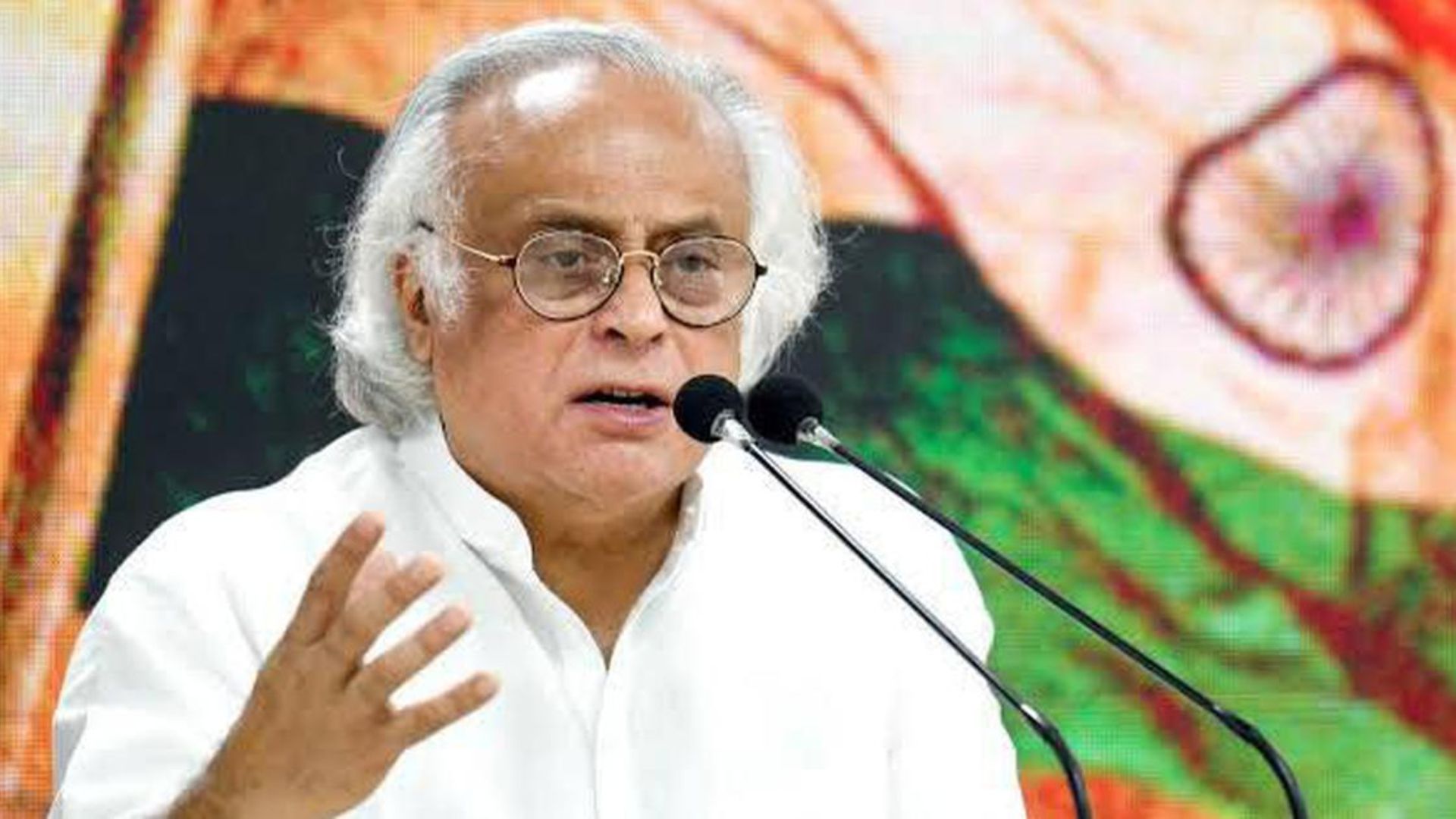

Congress Rajya Sabha MP Jairam Ramesh
The 7.8% growth rate of India’s gross domestic product in the April-June quarter presents a “greatly distorted picture” of the economy, claimed the Congress on Monday.
The Ministry of Statistics and Programme Implementation had published the GDP numbers earlier in the day, saying that the manufacturing sector grew 9.2% during the first quarter of the financial year 2026-’27. This was up from 8.3% in the same period last year. The services sector grew 10%, compared with 8% a year ago, it added.
The overall GDP numbers published by the ministry surpassed the 7% forecast by the Reserve Bank of India for the quarter.
Prime Minister Narendra Modi described the country’s growth as a “herculean feat” achieved despite “oil price shocks and supply chain issues” amid the war in West Asia. “Doomsayers were doomed and India bloomed…yet again,” he wrote on social media.
However, Congress leader Jairam Ramesh said that the GDP numbers do not convey the “decidedly depressed private investment sentiment in the economy – both domestic and foreign”.
The prime minister’s celebration was “premature”, he added.
The MP claimed that “consumer confidence was weak and had fallen to its lowest level since the Covid-19 pandemic, continuing a downward trend since November 2025”.
“Further, prices of essential household goods were rising sharply, while unemployment among educated youth remained high,” he pointed out.
Ramesh also accused the prime minister of encouraging a few large business groups to dominate key sectors. “The wealth of India’s five richest families has grown by 400% while the real wages of salaried workers have fallen,” he wrote.
His comment was in reference to the 2026 Wealth Tracker India study published by non-profit organisation Centre for Financial Accountability and Tax The Top campaign on April 1.
The study said that five of the richest families in India saw their wealth increase by 400% between 2019 and 2025. On the other hand, the share of the bottom 50% in the country’s wealth stagnated at 6.4% by 2024, it had pointed out.
Ramesh’s party colleague Pawan Khera said that GDP measures only the national output, and not jobs, wages or the opportunities available to the citizens.
He asked whether India had truly “bloomed” if “rampant unemployment, leaked exam papers, and a crumbling education system define the ground reality”.
“Why is the republic’s prosperity not translating into the prosperity of its public?” he asked on social media.
This article was originally published in Scroll.in you can read it here.
