
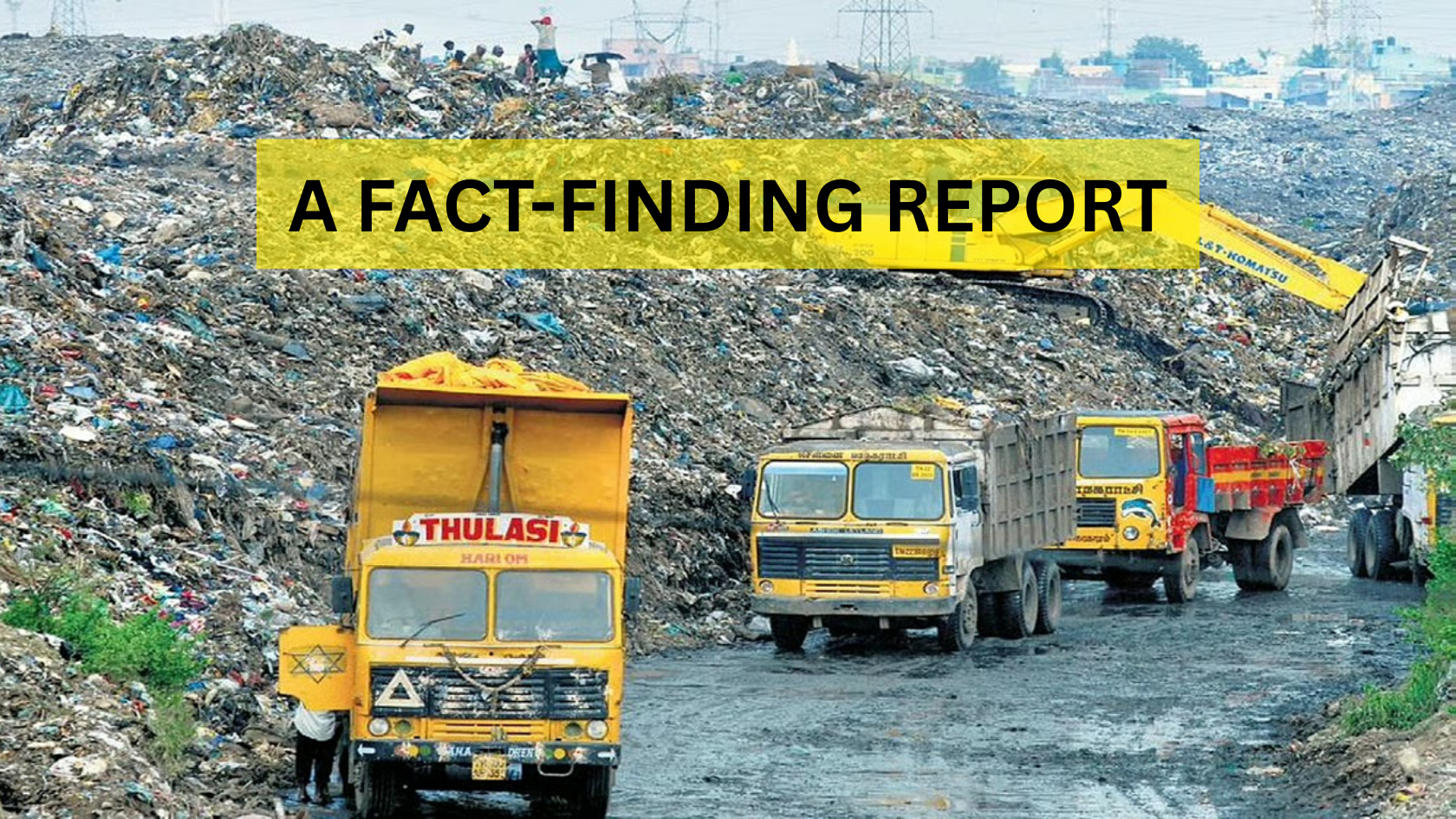
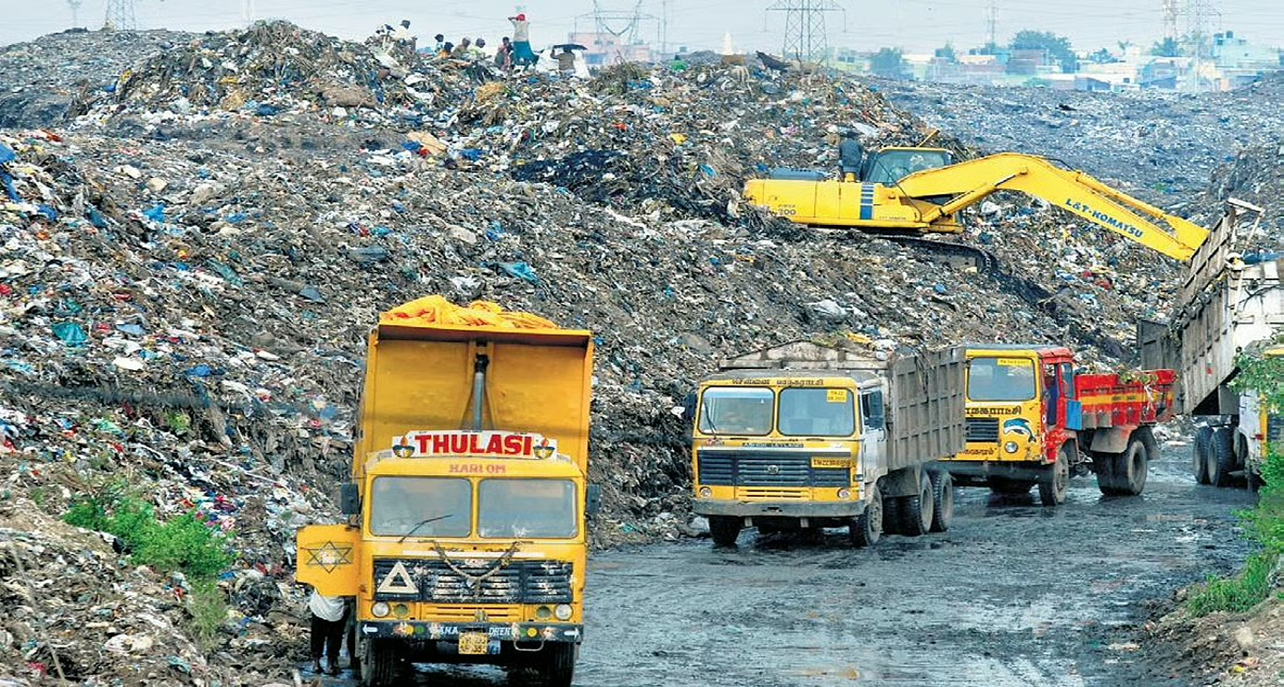
A new fact finding report on the 50 ton incinerator in Kodungaiyur, Chennai reveals that over 90% of the incinerator emission parameters stipulated under Solid waste Management rules, 2016 have not even been once since the commissioning of the plant in 2021.
Only three parameters were monitored only once in the last five years, indicating near-total regulatory failure.
The announcement of two massive Waste-to-Energy (WTE) incineration plants in Chennai Metropolitan Development Authority (CMDA), estimated at about ₹3,450 crore, is being framed as an “innovative technological solution” to Chennai’s mounting waste crisis. The proposed project, intended to process about 3,600 tons of waste/day is part of a larger, aggressive push towards incineration of waste that threatens to transform Chennai into a permanent “toxic zone” akin to that of the metropolitan city of Delhi, which has the most polluted air in the world and has reduced the lifespan of its citizens by about 12 years.
The justification for this multi-thousand crore rupee gamble rests on a dangerous assumption: that the process of waste incineration is safe and environmentally sound. However, numerous publications around the world have produced evidence on the multitude of environmental, social, economic and health impacts of incineration technologies. The Federation of North Residents Welfare Association (FNCRWA), the Alliance for Incinerator Free Chennai and numerous other groups have been continuously appealing to the government to scrap the incineration project. Furthermore, the FNCRWA also organised peaceful human chain demonstrations in which over 10,000 citizens had participated to oppose the toxic incinerator facility. This report examines the environmental and regulatory compliance of the existing 50MTPD (Metric Ton Per Day) incinerator facility currently operating in Kodungaiyur, Chennai.
The findings of the report reveal that about 90% of the emission parameters mandated under the Solid Waste Management rules (SWM rules) 2016 including emissions of flue gas, hazardous bottom ash, hazardous fly ash and leachate water, were not monitored even once since the commissioning of the plant by the company, endangering the environment and health of the entire locality. Furthermore, the Tamil Nadu Pollution Control Board (TNPCB) inspections have confirmed open waste accumulation, improper fly ash and bottom ash handling, and effluent mismanagement. Yet, the authorities have failed to penalize the toxic incinerator facility for these violations. If the current incinerator with the capacity of processing 50 MTPD, a mere fraction of the proposed 3,600-ton plants, has not been monitored with respect to basic environmental and safety protocols, the implications for lack of monitoring the larger incinerators will be catastrophic for the entire city and its residents.
The environmental and health impacts of the 10-ton incinerator in Manali, Chennai was brought to light in April 2025 via a similar fact-finding report by the AIFC. The results of the fact finding report were also confirmed by the TNPCB, in its own admission before the National Green Tribunal. Subsequently, the 10 ton incinerator was permanently shut down by the GCC in December 2025, following the non-compliance of environmental and regulatory norms. This fact-finding report on the 50MTPD incinerator facility in Kodungaiyur provides evidence and independent analysis from the ground to urge the government to reject the toxic “waste incinerators” and instead prioritize strengthening decentralized “zero waste” management infrastructure and community-led solutions for managing Chennai’s waste that prioritizes public health, environment, climate and waste reduction goals.
Read the full report here:
