
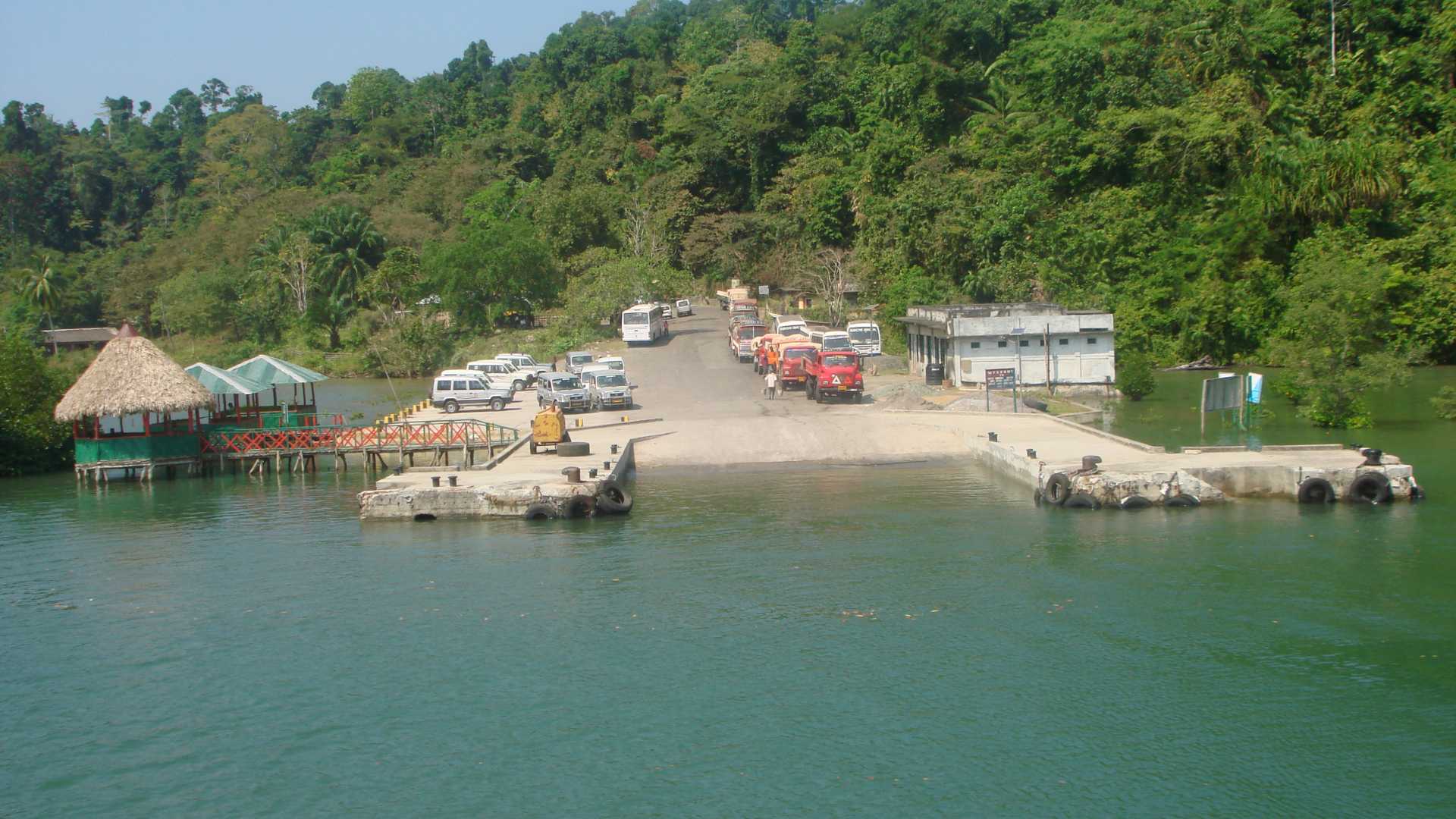
The recent visit by Rahul Gandhi to Great Nicobar Island has reignited debate around the massive “holistic development” project proposed for the island. While the project is being framed as strategically vital, a closer look at official documents suggests otherwise. References to defence or military use are minimal, raising serious questions about whether “national security” is being overstated to justify a largely commercial infrastructure push.
From a public finance perspective, this project demands far greater scrutiny. The plan, estimated at tens of thousands of crores, represents a model of “big money” development with limited accountability. With an estimated cost running into tens of thousands of crores, including substantial government subsidies, the financial risks are being socialised while potential returns remain uncertain. The proposed transshipment port at Galathea Bay faces structural disadvantages: geographic isolation, weak connectivity to major industrial hubs, and competition from established ports like Colombo and Vizhinjam. There is no guarantee that the project will generate the expected economic activity to justify such high public investment.
Further, the government’s push to invite private players into the project raises important questions about who ultimately benefits . When public funds underwrite high-risk infrastructure while private actors stand to gain, the line between public interest and private profit becomes blurred. This is not merely an investment decision; it is a redistribution of risk with long-term fiscal implications.
At the same time, the environmental costs are enormous and effectively irreversible. The diversion of over 13,075 hectares of old-growth forest and the disruption of ecologically sensitive zones, home to rare species and critical habitats, represent losses that cannot be meaningfully quantified in financial terms. When such costs are ignored or undervalued, it leads to a distorted understanding of “development,” where long-term ecological stability is traded for uncertain short-term gains. Concerns have also been raised about the process and adequacy of environmental clearances themselves, including issues of procedural gaps and rushed approvals.
The project also raises concerns about fiscal responsibility in relation to social impacts. Indigenous communities like the Shompen and Nicobarese, whose lives are deeply tied to the island’s ecosystems, face displacement, cultural erosion, and health risks. Yet, impact assessments remain partial and inadequate. Ignoring these factors not only reflects poor governance but can also translate into future economic liabilities, including rehabilitation costs, legal challenges, and social unrest.
More broadly, this project is not an isolated case. Evidence from across India shows a growing pattern of infrastructure projects being allowed within or near protected areas, often undermining conservation goals despite formal safeguards. These cumulative impacts are rarely accounted for in project-level assessments, raising deeper questions about how “development” itself is being defined and justified.
In sum, the Great Nicobar project illustrates a troubling pattern: large-scale public spending justified through inflated strategic claims, with insufficient attention to financial viability, environmental sustainability, and social consequences.
