Never have banking and finance been discussed as keenly as today in the recent history of India. Demonetisation, non-performing assets, bank charges, Financial Resolution and Deposit Insurance (FRDI Bill), cash-less economy, digital payments, payment banks and a host of such economic decisions of the government incited these discussions. And, rightly so.
While common people were the ones who were impacted negatively by these decisions, the debates were confined to and were only among the experts and bankers, economists and financial analysts, each one taking a position safeguarding their institutional interests, and never that of the common people.
Apart from being affected by the economic decisions of the government, a large number of people have been impacted by the rapid expansion of developmental projects, be in hydropower, thermal, ports, highways and other infrastructure projects. While in many locations these projects are being opposed for its erroneous social and environmental impact assessments, land acquisition, health hazards and many such, in most of such projects, the lenders to the projects are hardly held accountable.
While investments of National financial institutions – both commercial banks and others, bilateral agencies, multilateral development banks are significant in these sectors, there are a number of other financial mechanisms and tools by which these projects are financed. Hedge funds, bonds, mutual funds, venture capital, debt funding, debenture and many such. Having an understanding and building a perspective about them enable us to engage with them meaningfully.
Daunting technical terms like Speculative Financing, Public-Private Partnerships, Purchasing Power Parity, Growth-led Development Model, Financial Intermediaries, Development Policy Loans, mushrooming Multilateral Development Banks, Environmental Safeguards etc are frequently flooding news feeds across media spaces. The environment of global finance is changing, and yet little effort has been made in public, political and media discourse to understand, debate and deconstruct the intricate and complex relationships these have with political sovereignty, social and economic habitat and environmental concerns from a rights-based perspective.
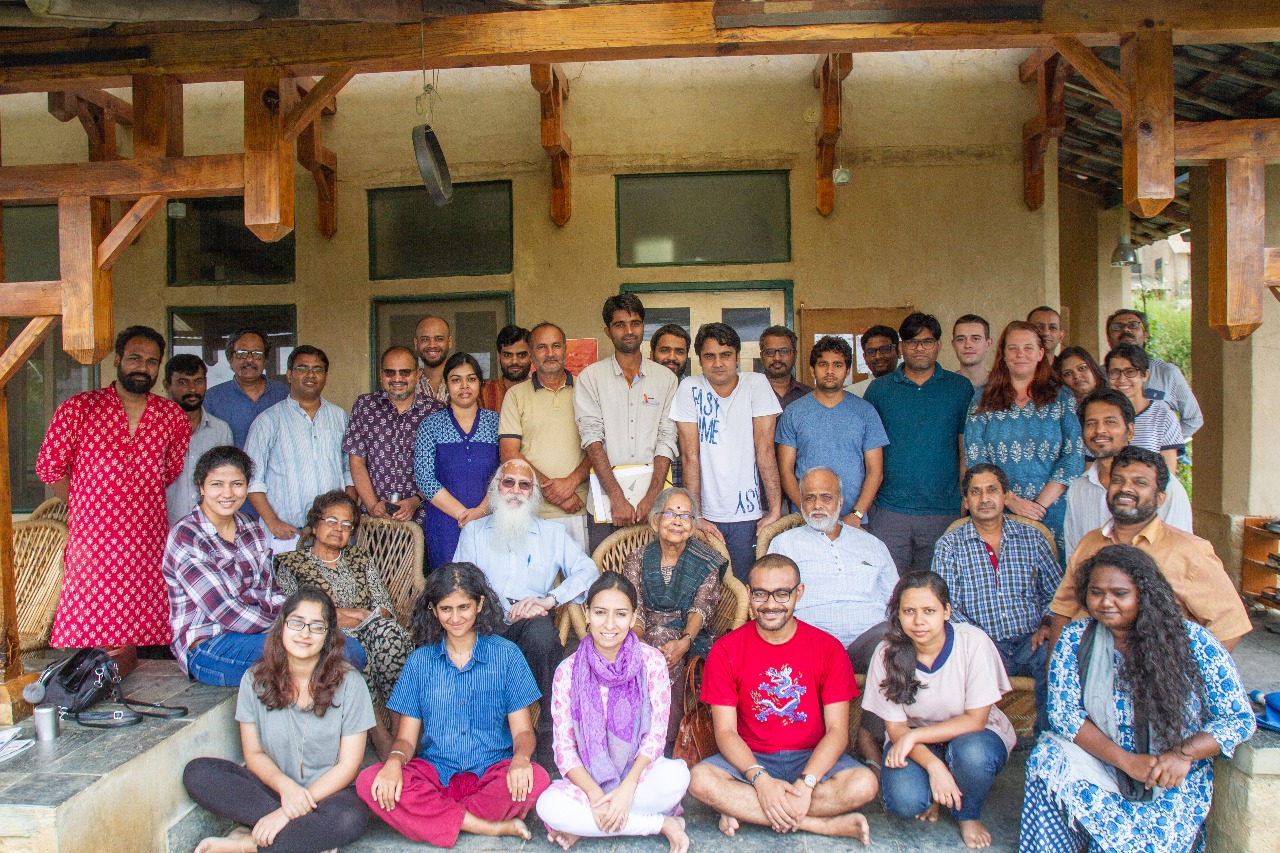
Finance is usually left to the experts, and is looked into in a silo, without looking into the interconnectedness with various other aspects, which governs our lives. This workshop will introduce different aspects of finance – looking at the fundamental premises on which the world of finance is systematically built, understanding the role of financial institutions beyond lending/banking, addressing the contemporary issues related to finance in India and critically looking at the gaps in governance, transparency and accountability in finance / of financial institutions. The workshop will try and make finance palatable and highlight the integral nature of finance in all walks of our lives.
Specifically, the workshop will try addressing a few questions:
- What is the socio-political context in which the world of finance is thriving?
- What are the sources of finance?
- How does global finance work? Who are the key actors and institutions involved? What is their structure? Who owns them? What role do they play in countries like India? What strings are attached to investments? What are the impacts of global finance sponsored projects?
- What is the changing landscape of national finance? Who are the regulators, what role do they play?
- What are different attempts by people world over to hold banks accountable?
- And, what can we do?
The module takes an interdisciplinary approach and the sessions are non-technical. No prior training/reading in economics/finance is required. The sessions will be interactive in nature, and will be followed by Q&A and discussions. A set of readings will be provided in advance, reading it in advance will help students follow the sessions better.
Organised by:
Sambhaavnaa Institute Of Public Policy and Politics – http://www.sambhaavnaa.org
Centre for Financial Accountability – www.cenfa.org
See the schedule of the workshop: Workshop schedule Final Sept 9th
Workshop Highlights