
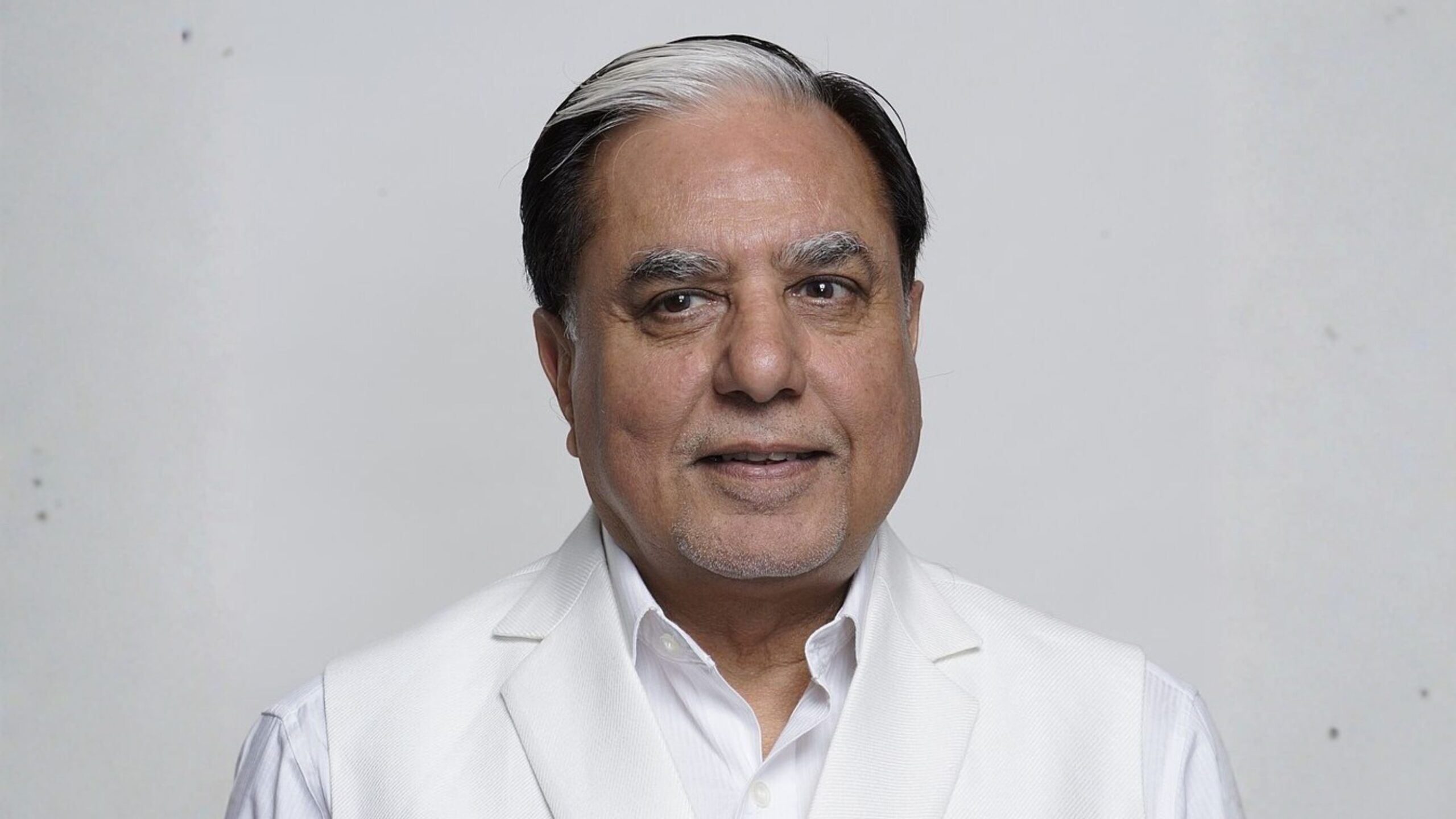
There are a number of issues surrounding the recent approval by the National Company Law Tribunal (NCLT) of a repayment plan of ₹6.5 crore against claims of ₹22,006.57 crore involving Zee Group Founder and Chairman Subhash Chandra, causing a loss of 99.97 per cent to lenders. It is ludicrous to approve a payment of ₹38 lakh to LIC Housing Finance against a claim of ₹1,322.39 crore, which amounts to approximately 0.028 per cent.
The NCLT has approved similar settlements in the past. The Deccan Chronicle settlement caused a loss of 95% to lenders; Videocon, 95%; Synergy Dooray, 94%; Ushdev International, 93%; Siva Industries, 93%; and Reliance Communications Infrastructure Ltd, 99% – among many others. This is nothing short of a naked dance of crony capitalism in India.
There are some fundamental questions surrounding this. Why should ordinary taxpayers and depositors bear the cost of a failed large borrower? By repeatedly allowing these large corporations to walk away with public money, does the system reward defaulters? There seems to be a pattern in which large corporations are given large loans and, a few years later, those loans are settled at deep discounts, allowing the corporations to make a windfall gain. Who is responsible for this? How were these loans approved? If the creditor is a public-sector bank and the borrower is a politically influential business group, how can the public know that an 80-90% (or more) haircut was genuinely the best economic option?
This is happening at a time when, according to the RBI, India’s household debt has reached an all-time high of 45.5% of Gross Domestic Product (GDP). RBI data shows non-housing retail loans make up 58.4% of household debt. Daily wage earners accounted for 52,910 deaths, or 31% of all suicides recorded in India in 2024, according to data released by the National Crime Records Bureau. These are figures that should concern policy makers.
When ordinary citizens default, they face calls, coercion, humiliation, and loss of dignity; when powerful corporations default, they get haircuts running into thousands of crores. When the system makes the poor pay every rupee while allowing the powerful to walk away with public money, crony capitalism is no longer hidden—it is dancing naked in India.
Centre for Financial Accountability is now on Telegram and WhatsApp. Click here to join our Telegram channel and click here to join our WhatsApp channeland stay tuned to the latest updates and insights on the economy and finance.
The NCLT has approved similar settlements in the past. The Deccan Chronicle settlement caused a loss of 95% to lenders; Videocon, 95%; Synergy Dooray, 94%; Ushdev International, 93%; Siva Industries, 93%; and Reliance Communications Infrastructure Ltd, 99% – among many others. This is nothing short of a naked dance of crony capitalism in India.
There are some fundamental questions surrounding this. Why should ordinary taxpayers and depositors bear the cost of a failed large borrower? By repeatedly allowing these large corporations to walk away with public money, does the system reward defaulters? There seems to be a pattern in which large corporations are given large loans and, a few years later, those loans are settled at deep discounts, allowing the corporations to make a windfall gain. Who is responsible for this? How were these loans approved? If the creditor is a public-sector bank and the borrower is a politically influential business group, how can the public know that an 80-90% (or more) haircut was genuinely the best economic option?
This is happening at a time when, according to the RBI, India’s household debt has reached an all-time high of 45.5% of Gross Domestic Product (GDP). RBI data shows non-housing retail loans make up 58.4% of household debt. Daily wage earners accounted for 52,910 deaths, or 31% of all suicides recorded in India in 2024, according to data released by the National Crime Records Bureau. These are figures that should concern policy makers.
When ordinary citizens default, they face calls, coercion, humiliation, and loss of dignity; when powerful corporations default, they get haircuts running into thousands of crores. When the system makes the poor pay every rupee while allowing the powerful to walk away with public money, crony capitalism is no longer hidden—it is dancing naked in India.
Centre for Financial Accountability is now on Telegram and WhatsApp. Click here to join our Telegram channel and click here to join our WhatsApp channeland stay tuned to the latest updates and insights on the economy and finance.
