
The recent remarks by Narendra Modi comparing the West Asia conflict to the COVID-19 may be intended to reassure, but they risk understating the seriousness of the current economic stress. Unlike the pandemic, which was a public health crisis with a clear domestic policy response, this is an external geopolitical shock with deep economic linkages, especially through oil, trade, and migration. The government’s messaging of “all is well” appears increasingly disconnected from the lived realities of workers, small businesses, and households facing rising costs and job losses.
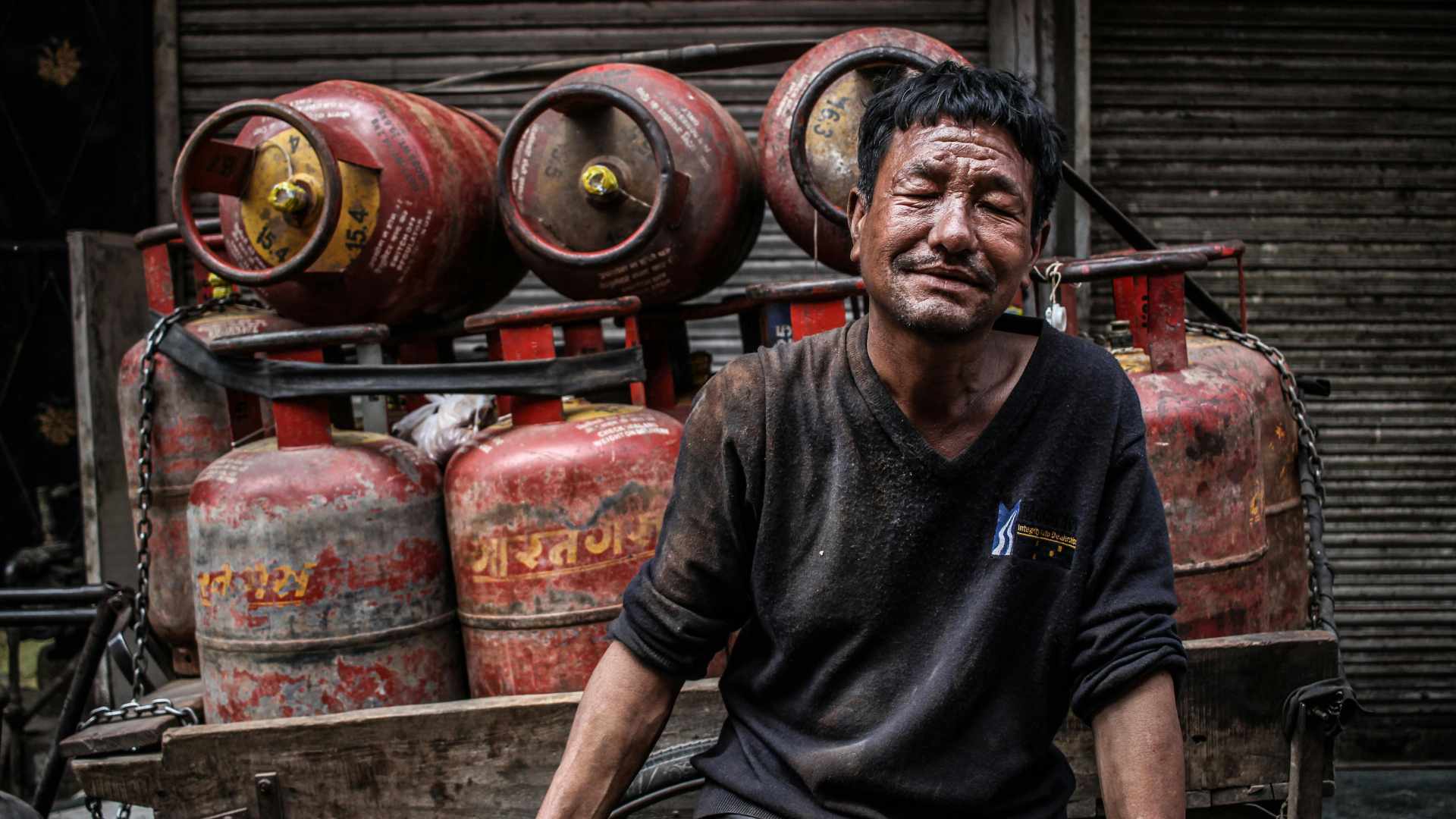
The most immediate concern is the cascading impact of the oil and gas shock. India’s heavy dependence on West Asia, accounting for a majority of crude and LPG imports, has exposed structural vulnerabilities. Disruptions in supply chains have already translated into factory shutdowns, especially in energy-intensive sectors like textiles. The reported halt of nearly half the units in Surat and the loss of lakhs of jobs are not isolated incidents but early warning signs of a broader industrial slowdown. This is compounded by shortages of LPG affecting both production and daily life, forcing households and institutions to fall back on costlier or polluting alternatives.
Macroeconomic indicators further underline the fragility. A weakening rupee, falling forex reserves, and rising crude prices are creating a perfect storm. Reports from Moody’s Ratings and other agencies point to slowing GDP growth and rising inflation, driven by higher input costs and subdued consumption. The pressure is not just external; it exposes domestic weaknesses such as stagnant wages, high household debt, and uneven private investment. The reliance on indirect taxes like GST also makes government revenues more volatile in times of economic stress, limiting fiscal flexibility just when it is most needed.
Equally worrying is the emerging human dimension. The early signs of a migrant worker exodus, triggered by job losses and rising living costs, echo the distress witnessed during the pandemic. If not addressed proactively, this could disrupt key urban industries while deepening rural distress. At the same time, any slowdown in Gulf economies threatens remittance flows, a critical lifeline for millions of Indian families and a stabilising factor for the external account.
Taken together, the crisis is not merely a temporary disruption but a stress test of India’s economic resilience and policy preparedness. While the government has taken some short-term measures, such as cutting fuel taxes and rerouting supplies, these appear reactive rather than strategic. What is needed is transparent communication, targeted relief for vulnerable sectors and workers, and a medium-term plan to reduce dependence on volatile external inputs. Without this, the risk is not just slower growth, but a widening gap between official optimism and economic reality.
