
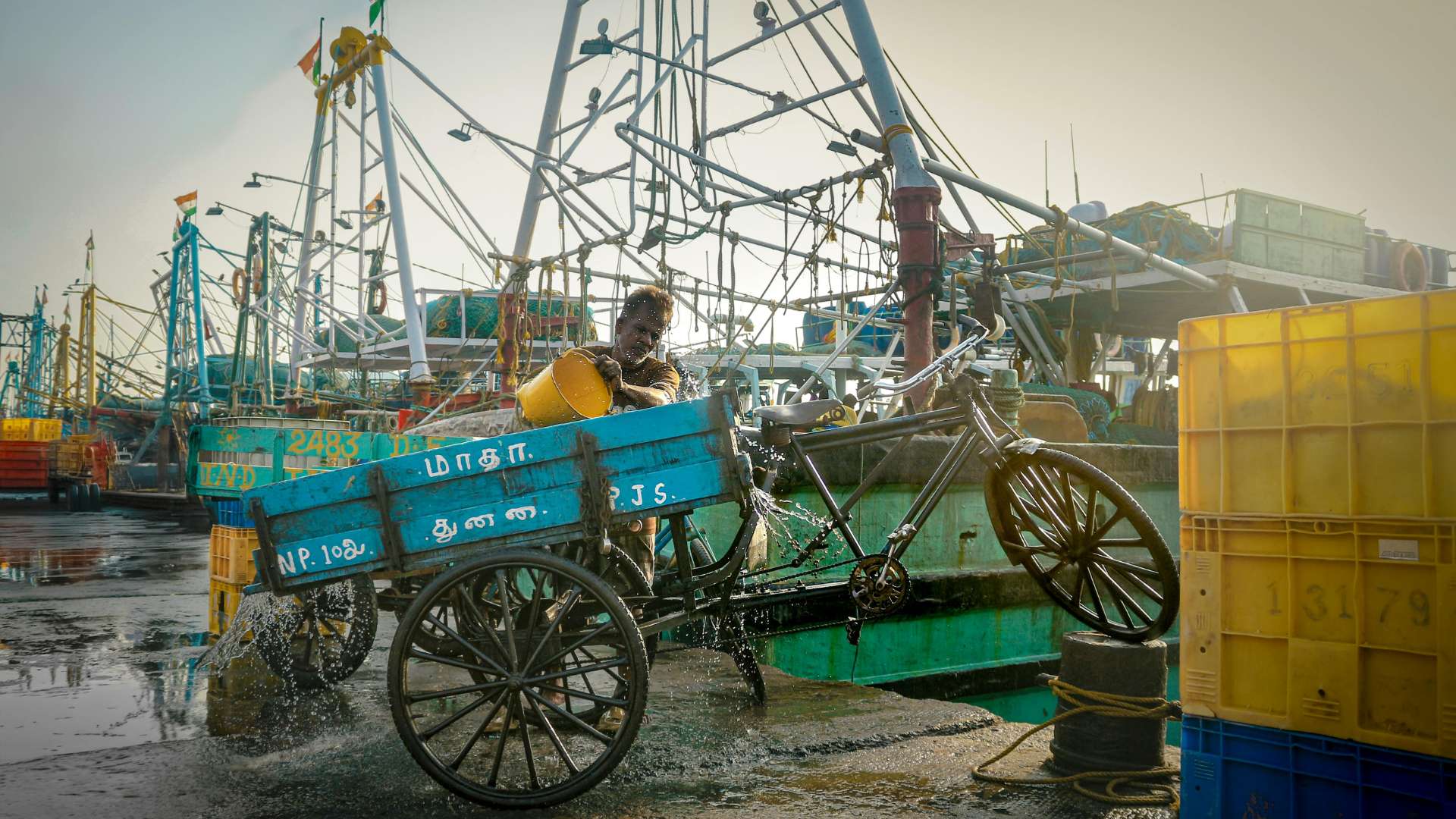
The World Inequality Report 2026 delivers a sharp warning about India’s economic direction. It shows that India is now one of the most unequal countries in the world, with wealth and income concentrating rapidly at the top. The richest 10% in India earn nearly 60% of the national income, while the bottom half of the population earns only 15%. Wealth inequality is even more alarming: the top 1% alone controls about 40% of all wealth. These figures reveal that India’s growth story is leaving most people behind, and the benefits of development are being captured by a very small section of society.
What makes this inequality more troubling is that it touches every part of life. The report highlights that India’s poorest contribute little to climate emissions yet suffer the worst climate impacts, from heatwaves to floods, without the resources to protect themselves. Women’s economic participation remains low, and their share of labour income has barely improved over the past decades. Meanwhile, regional disparities continue to widen, with some states progressing while others lag far behind. These inequalities are not accidental; they are shaped by policies that favour capital over labour, private wealth over public investment, and growth without redistribution.
The report is clear that this situation can change, but only if India chooses a different path. Strengthening public spending on health, education, and social protection; ensuring fair taxation of the super-rich; and reforming financial and governance systems are essential steps. The fact that a small global tax on the very rich could raise billions shows that solutions are within reach. For India, the challenge is to recognise that inequality is a political choice. The way forward is clear: fair taxes, better public spending, and stronger support for those left behind.
– Team CFA
