

Inequality amplifies malnutrition crisis in India
That child malnutrition levels in India are high and slow to improve, even when compared with neighbouring countries such as Bangladesh, does not need belabouring.
That child malnutrition levels in India are high and slow to improve, even when compared with neighbouring countries such as Bangladesh, does not need belabouring.

मध्य प्रदेश के गोरखपुर गांव में स्थित झाबुआ थर्मल पावर प्लांट से निकलने वाली राख आम लोगों के जीवन में जहर घोल रही है। क्षेत्र में विकास और रोजगार का वादा करने वाला यह...
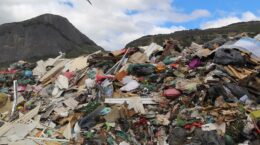
About a decade ago, in 2013, the Planning Commission constituted the “Task Force on Waste-to-Energy” to identify technically feasible, financially affordable and environmentally sound processing and disposal technologies for municipal solid waste in India....

Inequality in India is at obscene levels. While still home to a very large number of people living in destitution, the number of dollar billionaires in India increased from one in the mid-1990s to...

In another week, on June 2, Ajay Banga will take over as the 14th president of the World Bank Group, the all-men’s club, except for Kristalina Georgieva, who had become World Bank’s acting president...

The Indian government has kept its eye on billions in revenue from the polluting petrochemical industry while making half-hearted measures to curb plastic use.
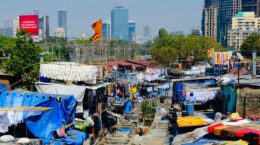
Recently, after my talk on the current economic situation in India at a private university, I was asked, why those students should be concerned about inequality and poverty.

Climate change action demands stricter emissions control of Asia Pacific’s coal burners, say analysts.

A Central Bureau of Investigation (CBI) case against celebrated environmental lawyer Ritwick Dutta is replete with factual errors

Most Indian banks and financial institutions do not have any environmental and social safeguard mechanisms.

Instead of being limited by fiscal deficits, governments should instead raise tax the super rich to raise funds for healthcare and other welfare measures.

The International Finance Corporation (IFC), the private sector arm of the World Bank, is to stop supporting new coal projects, a move described by campaigners as welcome but long overdue.

The IFC has reportedly lent close to $5 billion to almost 88 financial institutions in India

An extension of the coal reduction policy to all lending will act as a strong impetus for Indian financial institutions to strengthen their own policies on coal reduction.

The case of Puducherry shows us how Union Territories, as pockets of arbitrary power, enable an authoritarian role for the Union government while trampling upon the core of federalism and democracy. In recent years,...
